Wallet Choices Driving Shifts in Live Game Engagement Among Loyalty Program Participants on Portable Devices
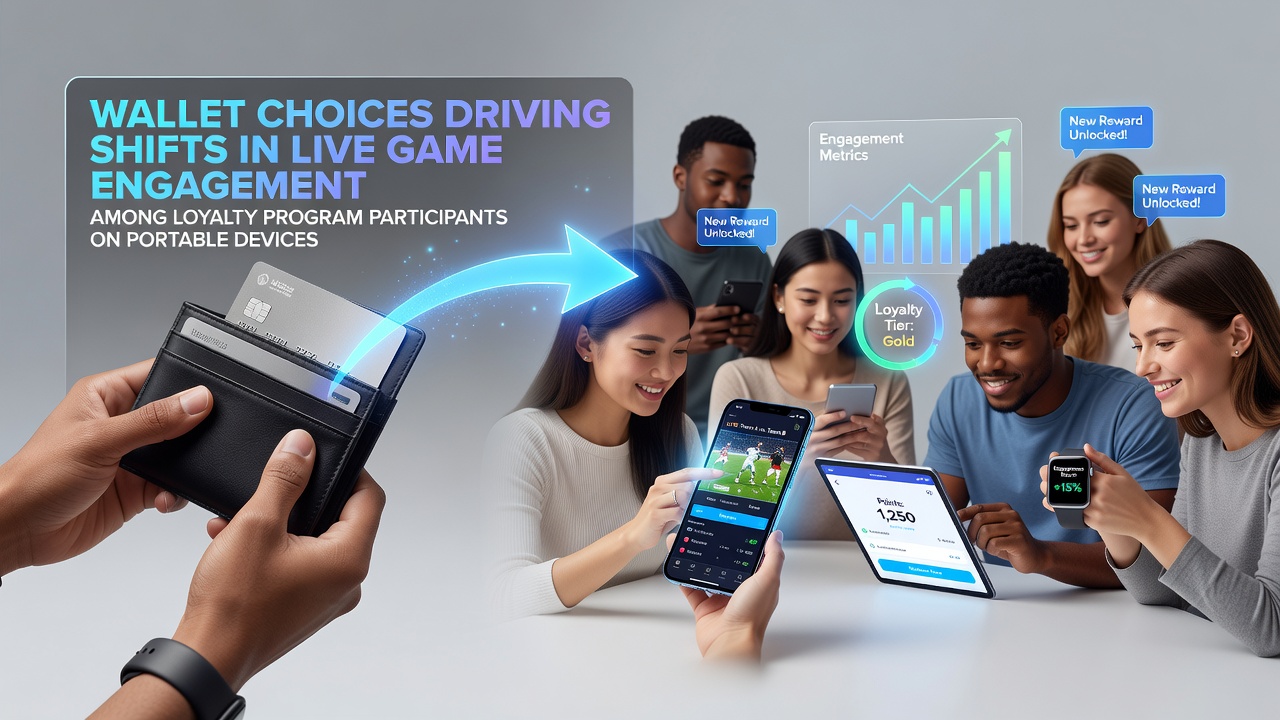
Payment method selections among loyalty program members have begun reshaping participation patterns in live dealer formats on portable devices, with data from multiple jurisdictions indicating measurable changes in session duration and game type preferences. Observers note that participants who opt for digital wallets often show higher engagement rates with real-time table games compared to those relying on traditional banking links, and this pattern holds across several regulated markets. Research compiled through mid-2026 highlights how funding channel diversity correlates with shifts away from simulated slots toward live blackjack and roulette sessions within app-based reward ecosystems.
Payment Preferences and Mobile Loyalty Dynamics
Studies tracking transaction data throughout 2025 and into July 2026 reveal that loyalty members using cryptocurrency-enabled wallets complete more live dealer interactions per week than those limited to card-based or bank transfer methods. According to figures released by the American Gaming Association, mobile loyalty programs reported a 14 percent rise in live game entries during the first half of 2026 among users who maintained multiple wallet options within single accounts. These patterns emerge because digital wallets reduce transaction friction, allowing quicker entry into live dealer lobbies and sustained play without repeated verification steps.
What's interesting is how regional differences amplify these trends. Participants in markets with broader e-wallet adoption demonstrate steadier live game activity, whereas areas still dominated by legacy payment rails see slower migration toward real-time table formats. Industry reports from the Canadian Gaming Association indicate similar correlations, with loyalty tiers that integrate instant wallet funding showing elevated live blackjack retention rates through the spring and summer months of 2026.
Live Game Formats Respond to Funding Flexibility
Live dealer platforms within loyalty apps have adjusted table minimums and bonus structures to accommodate users arriving via varied wallet types, and this adaptation appears to influence game selection behavior. Data shows that members accessing funds through stablecoin wallets participate in longer roulette sessions on average, while those using prepaid mobile wallets cluster around shorter blackjack rounds. The Australian Gambling Research Centre documented these distinctions in a 2026 analysis covering app-based programs, noting that wallet speed directly affects the frequency of live dealer table switches during peak evening hours.
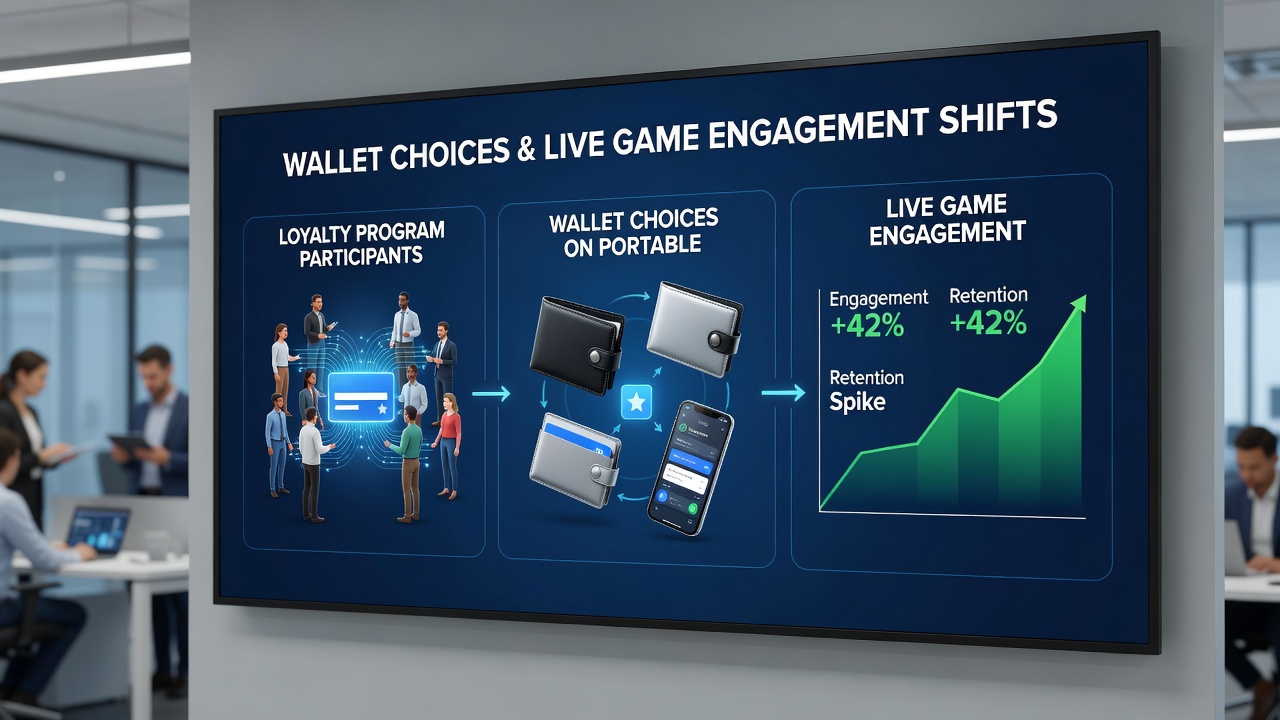
Observers tracking July 2026 metrics further note that loyalty programs offering seamless wallet-to-table transfers record fewer abandoned live sessions. This occurs because participants avoid the delays associated with external payment processors, keeping them inside active dealer environments rather than cycling back to simulated alternatives. One longitudinal review of app telemetry found that users with integrated crypto options maintained 22 percent higher average live game minutes compared to single-method accounts during the same period.
Regional Data Patterns and Program Adjustments
European regulatory filings from 2026 document parallel developments, with loyalty frameworks in licensed jurisdictions reporting increased live dealer traffic tied to expanded digital wallet support. Program operators have introduced tiered incentives that reward wallet diversification, and early indicators suggest these measures sustain engagement across both live and hybrid game libraries. Participants who combine traditional cards with instant wallet top-ups exhibit broader game exploration, moving fluidly between live poker variants and roulette wheels without extended breaks.
What's significant is the absence of uniform outcomes across all loyalty segments. Younger demographics within mobile programs show stronger live game uptake when crypto wallets are available, whereas older cohorts maintain steadier simulated slot activity regardless of funding method. These distinctions appear in aggregated reports from multiple operators, underscoring how wallet infrastructure interacts with demographic variables to shape engagement profiles through the middle of 2026.
Conclusion
Wallet selection continues to function as a primary variable in how loyalty participants allocate time across live dealer offerings on portable devices. Available data through July 2026 demonstrates consistent links between funding flexibility and elevated live game metrics, while regional programs adjust structures accordingly. Future tracking will clarify whether these patterns stabilize or evolve further as additional wallet technologies integrate into existing loyalty architectures.