Tracing the Impact of Diverse Funding Channels on Strategic Choices in Wheel-Based and Card-Based Activities Inside Elite Portable Gaming Communities
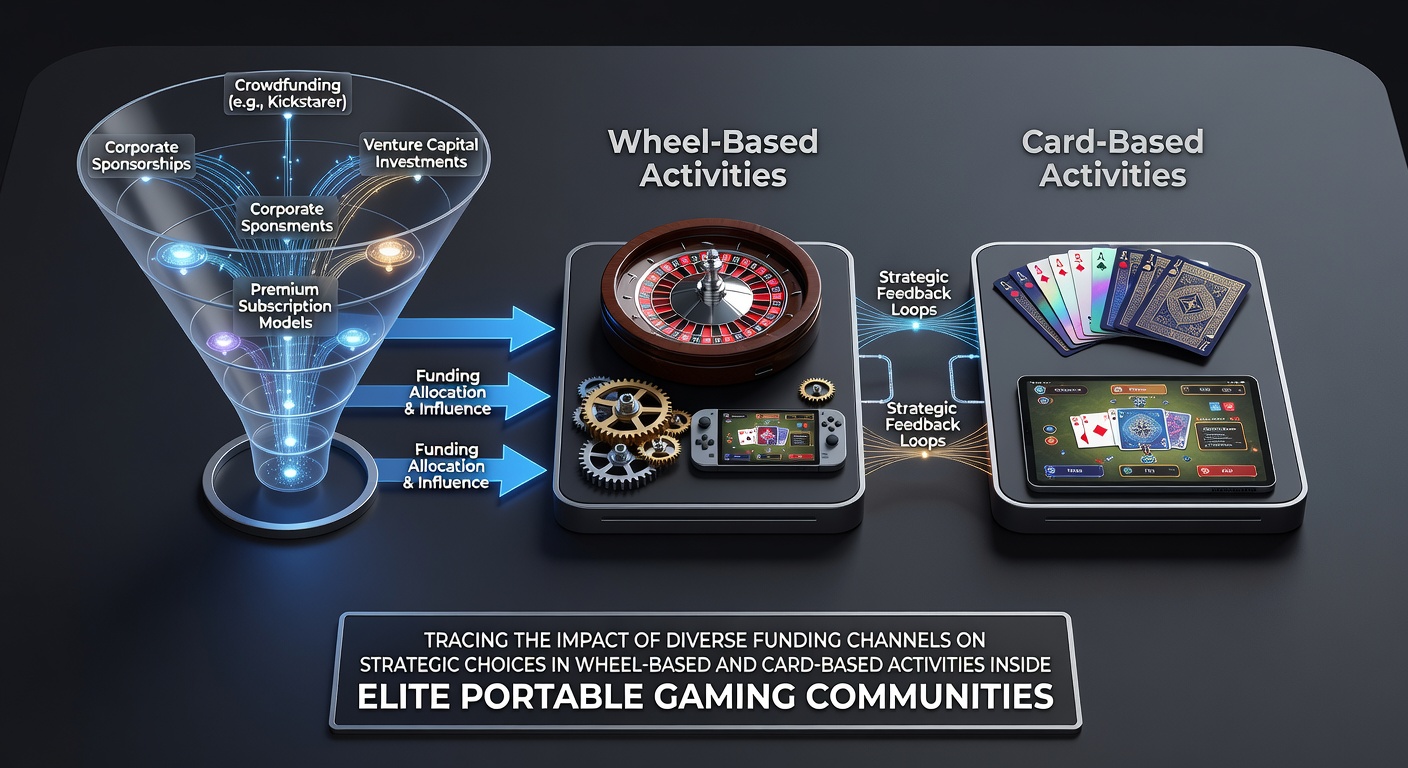
Elite portable gaming communities operate through specialized mobile platforms where participants access wheel-based activities such as roulette variants alongside card-based pursuits including blackjack and poker, with funding channels serving as a core determinant of available strategies. Data from industry monitoring in June 2026 shows that transaction speed, associated costs, and anonymity levels vary widely across methods including digital wallets, cryptocurrency transfers, bank wires, and credit instruments, leading participants to adjust bet sizing, session duration, and risk allocation accordingly.
Funding Channel Landscape in Portable Gaming Environments
Participants within these communities encounter an expanding array of deposit and withdrawal options that integrate directly with mobile applications, and observers note that each channel carries distinct processing times along with fee structures that affect overall capital deployment. Cryptocurrency options frequently enable near-instant transfers with lower visibility to traditional financial networks, whereas credit card transactions may involve authorization delays yet provide built-in consumer protections that some players factor into their planning. Research indicates that as of mid-2026, mobile platforms serving high-tier users have expanded support for multiple stablecoins alongside conventional e-wallets, creating layered decision trees around liquidity access.
Those who track transaction data across regions report that European and North American platforms exhibit measurable differences in accepted methods, with the former often emphasizing regulated electronic transfers while the latter incorporates more cryptocurrency pathways. Such variations prompt community members to maintain multiple accounts or funding sources, allowing them to switch channels mid-session when one method encounters temporary restrictions or higher costs.
Effects on Wheel-Based Activity Strategies
Wheel-based games rely on rapid successive bets where timing between rounds can influence participation patterns, and funding channels that process deposits within seconds permit players to maintain momentum without interrupting their established sequences. Slower methods, by contrast, encourage pre-session funding that locks capital in advance and may lead to more conservative bet spreads to preserve resources across extended play periods. Figures from platform analytics reveal that users favoring instant cryptocurrency channels demonstrate higher frequency of small incremental wagers on wheel outcomes, while those relying on bank-linked options tend toward fewer but larger placements timed with confirmed balance updates.
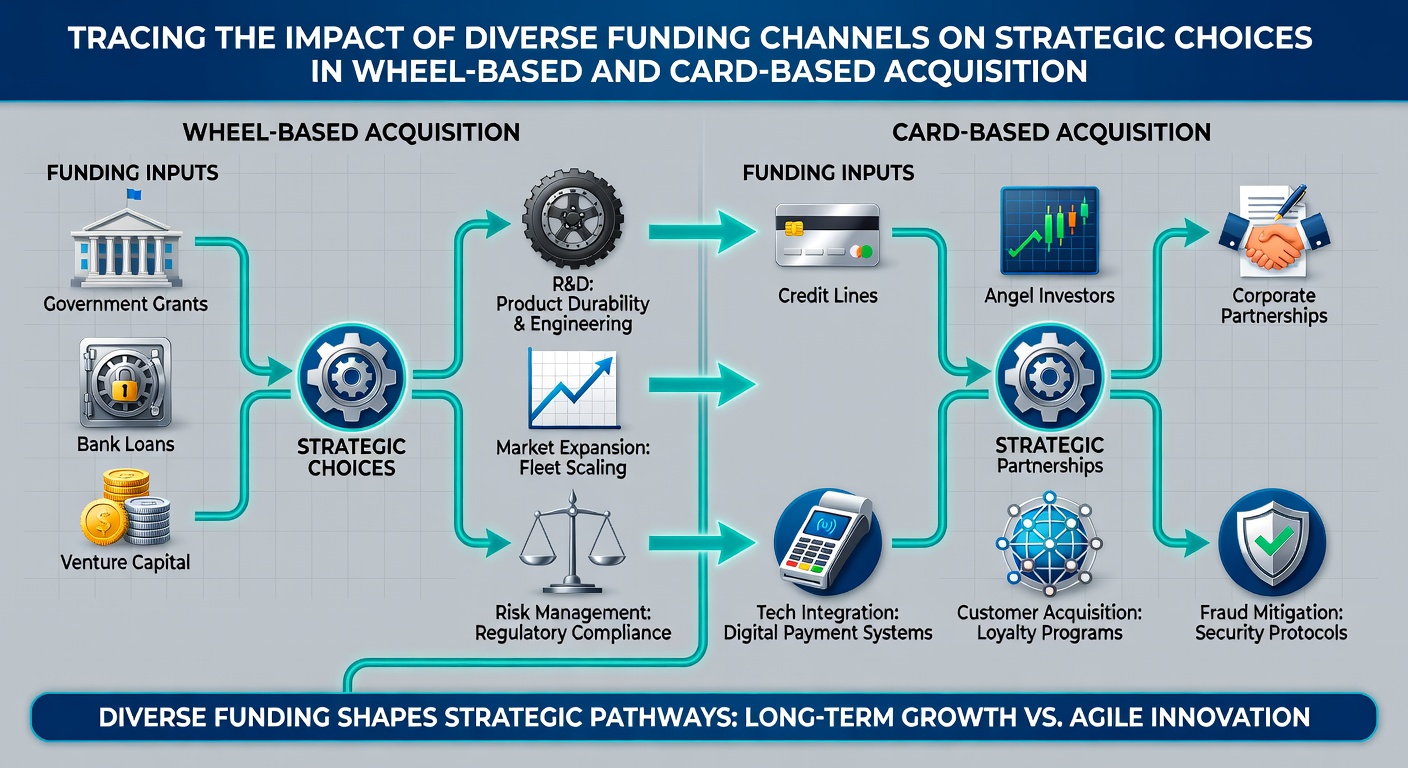
Community forums document cases where participants coordinate funding method selection with specific wheel game promotions that reward volume, resulting in deliberate rotation between channels to maximize qualifying activity. This approach becomes particularly evident when withdrawal speed affects reinvestment potential, prompting adjustments in target profit thresholds before funds are moved out of the platform ecosystem.
Influences on Card-Based Activity Decision Making
Card-based activities introduce elements of information asymmetry and multi-round commitment that intersect with funding flexibility in distinct ways, since participants often require sustained balances to execute complex betting progressions or table selection tactics. Methods offering higher daily limits without additional verification steps enable broader exploration of high-stakes tables, whereas channels with stricter caps may restrict users to mid-tier environments even when skill level supports greater exposure. According to aggregated platform metrics referenced by the New Jersey Division of Gaming Enforcement New Jersey Division of Gaming Enforcement, mobile card game sessions funded through digital wallets showed elevated average hand volumes compared with credit-based sessions during the first half of 2026.
Observers note that anonymity features associated with certain cryptocurrencies allow players to separate gaming activity from primary financial profiles, which in turn supports experimentation with varied table positions or bluff frequencies without external traceability concerns. In contrast, traceable bank transfers correlate with more measured approaches that incorporate explicit stop-loss parameters tied directly to visible account balances. Community reports further indicate that fee structures on international card transactions occasionally lead participants to consolidate play into single extended sessions rather than multiple shorter ones, thereby minimizing cumulative costs while maintaining strategic continuity.
Emerging Patterns Across Global Mobile Communities
Regional regulatory environments continue to shape which funding combinations remain viable, and data compiled through industry associations such as the European Gaming and Betting Association European Gaming and Betting Association highlights how mobile operators adapt channel offerings to comply with local requirements while preserving user flexibility. Participants who navigate multiple jurisdictions frequently develop hybrid strategies that pair low-fee cryptocurrency deposits for initial capital with regulated withdrawal channels for realized gains.
Platform updates released around June 2026 introduced enhanced tracking tools that display real-time fee estimates across available methods, enabling more precise calibration of expected value calculations within both wheel and card formats. These tools have prompted measurable shifts in how users allocate session budgets, particularly when cross-border transactions introduce variable exchange rates that compound with processing charges.
Conclusion
Funding channel selection within elite portable gaming communities functions as an active variable that shapes participation patterns across wheel-based and card-based activities, with transaction characteristics directly informing bet sizing, session structure, and method rotation decisions. Continued platform evolution and regulatory adjustments ensure that these relationships remain dynamic, requiring ongoing adaptation from participants who seek to optimize their approaches within mobile environments.