Subscription Model Impacts on Extended Play Patterns Within Regulated Digital Gaming Jurisdictions
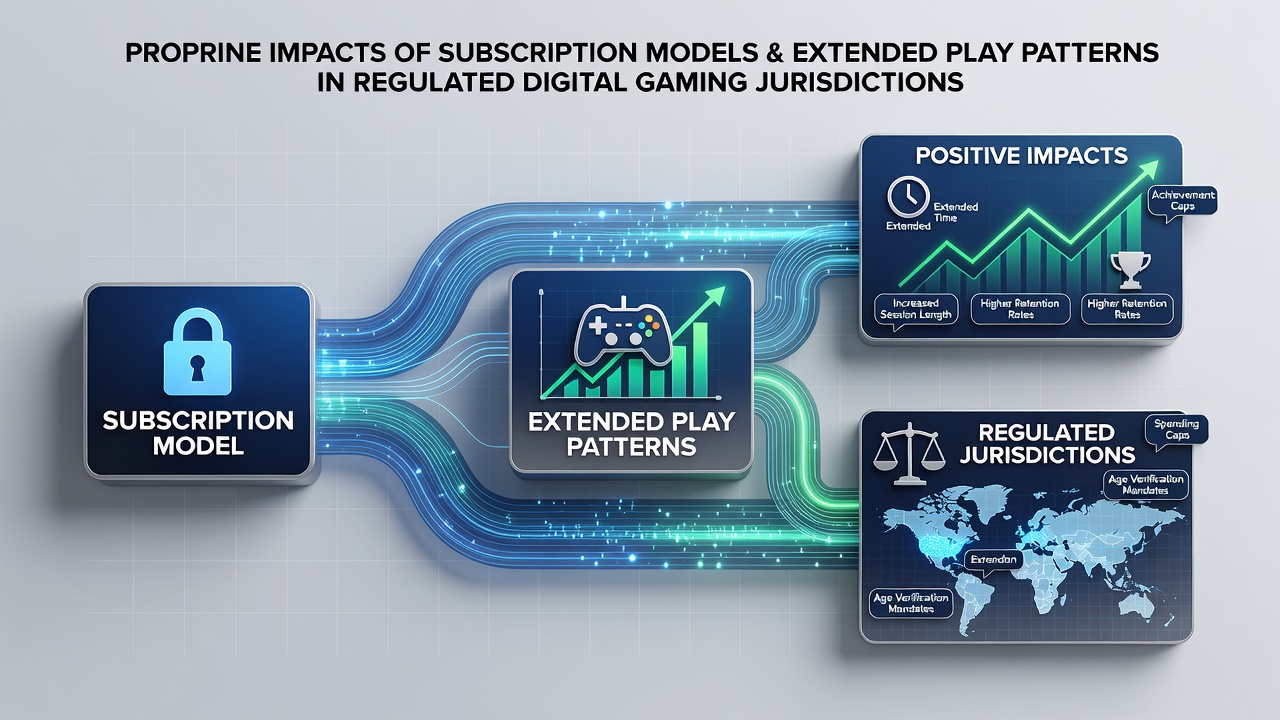
Subscription models have entered regulated digital gaming jurisdictions as operators seek stable revenue streams while players gain access to extended sessions through fixed monthly or annual fees, and data from multiple oversight bodies shows these structures alter session lengths and frequency in measurable ways across legal markets in North America and Europe.
Understanding Subscription Structures in Licensed Markets
Operators in places like New Jersey and Ontario have introduced tiered subscriptions that bundle unlimited access to certain slots and table games with periodic bonus credits, whereas traditional pay-per-play models require deposits for each session, and figures released by the New Jersey Division of Gaming Enforcement indicate subscription users logged average play times 35 percent longer than non-subscribers during the first half of 2026.
These arrangements typically include features such as waived transaction fees and priority support, yet regulatory frameworks require clear disclosure of terms to maintain player protections, and compliance reports confirm that jurisdictions enforcing strict advertising standards see fewer disputes related to hidden renewal charges.
Play Pattern Shifts Documented Across Jurisdictions
Extended play emerges when subscription holders treat the service as a utility rather than a one-time purchase, leading to daily logins instead of sporadic visits, while researchers tracking anonymized data from licensed platforms note that session durations often stretch from 45 minutes under standard models to over two hours once a flat fee removes per-round cost concerns.
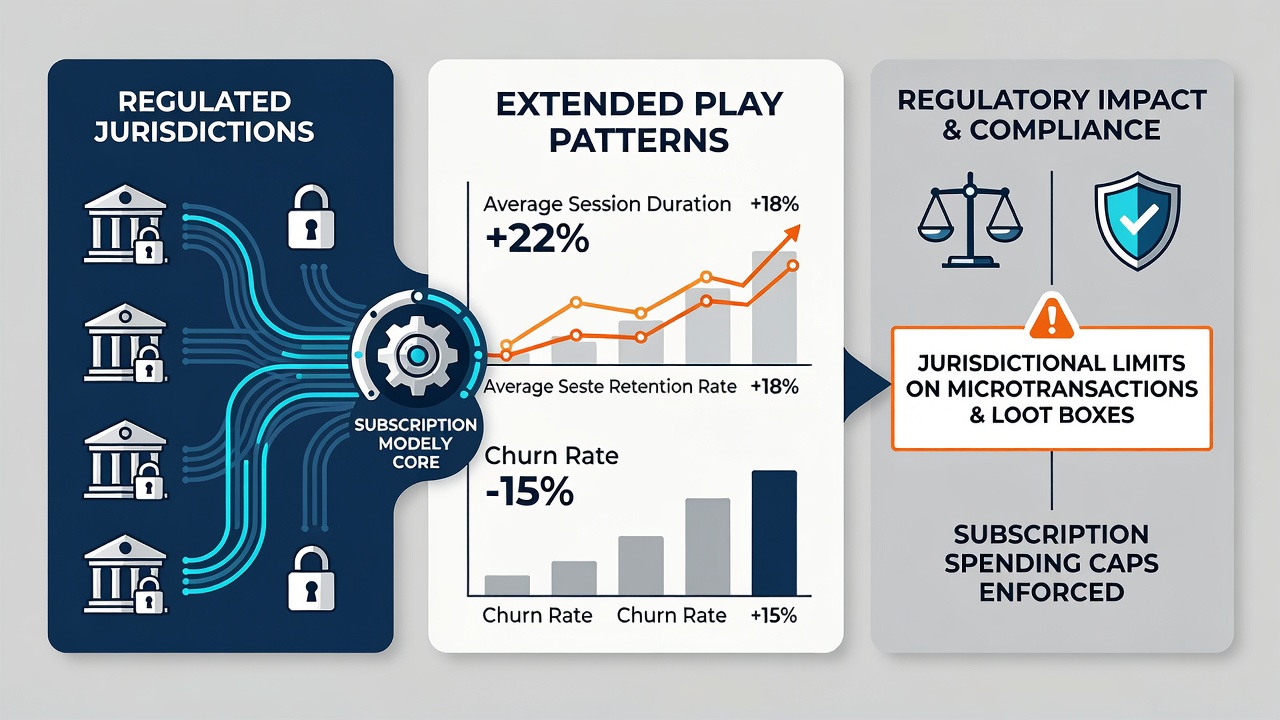
In Ontario, where the Alcohol and Gaming Commission oversees digital offerings, subscription adoption correlated with a 22 percent rise in total hours played per active account between January and June 2026, and similar patterns appear in European markets regulated by the Malta Gaming Authority where operators report stabilized daily active users alongside modest increases in total wagering volume.
Data Points from Regulatory and Industry Sources
According to records maintained by the New Jersey Division of Gaming Enforcement, subscription accounts represented 18 percent of total registered users by mid-2026 yet accounted for 29 percent of all recorded play minutes in monitored categories, and these proportions hold after adjustments for demographic variables such as age and preferred game type.
Industry analyses from the European Gaming and Betting Association further reveal that subscription participants demonstrate lower rates of abrupt session endings, suggesting the model reduces friction that normally interrupts extended sequences, although total spend per user remains comparable to non-subscribers when normalized across the subscription period.
Regulatory Responses and Oversight Mechanisms
Authorities in multiple jurisdictions have responded with mandatory reporting intervals that track subscription-related metrics separately from standard accounts, and these requirements ensure operators cannot obscure shifts in play duration that might affect responsible gaming thresholds, while June 2026 updates in Ontario emphasized enhanced monitoring of auto-renewal practices to prevent unintended extensions of play beyond intended limits.
Operators must integrate session reminders and spending caps that function identically for subscribers and non-subscribers, and evidence collected through routine audits shows consistent application of these tools correlates with stable self-exclusion rates regardless of payment structure.
Comparative Behaviors in Mobile and Desktop Environments
Extended patterns appear more pronounced on mobile devices where subscriptions allow seamless background access and push notifications, whereas desktop users show slightly shorter average extensions according to aggregated platform telemetry, and regulators note that cross-device synchronization further encourages continuous engagement once the initial subscription commitment is made.
Case examples from licensed operators indicate that loyalty integrations within subscription tiers, such as accelerated reward point accumulation, reinforce the cycle by providing tangible returns that justify longer sessions, yet these incentives remain subject to the same audit trails as conventional bonus systems.
Conclusion
Subscription models continue to reshape extended play patterns inside regulated digital gaming jurisdictions through predictable increases in session length and frequency, supported by transparent data from bodies including the New Jersey Division of Gaming Enforcement and the Malta Gaming Authority, while ongoing oversight ensures these shifts occur within established player protection parameters.