Regulatory Shifts Reshape Deposit Preferences Among Loyalty Members Favoring Wheel-Based Games in Subscription App Networks
Gisela Simon · Aug 14, 2026
Regulatory Shifts Reshape Deposit Preferences Among Loyalty Members Favoring Wheel-Based Games in Subscription App Networks
Regulatory adjustments across multiple jurisdictions have begun altering how loyalty members handle deposits within subscription-based gaming applications, with growing numbers directing funds toward wheel-based games such as roulette variants and spinning reel formats. These platforms operate under recurring payment structures that grant ongoing access, and recent policy updates have prompted shifts in funding source selections and game preferences among enrolled users. Data compiled through industry tracking services shows increased activity in wheel-driven titles during the first half of 2026, coinciding with new compliance requirements that took effect in several regions.
Key Regulatory Developments in 2026
Policy revisions introduced by state and national authorities have emphasized stricter verification protocols for digital transactions, which in turn affect how members fund their accounts in subscription networks. In August 2026, several oversight bodies implemented enhanced reporting standards for recurring payment services tied to gaming applications, requiring operators to disclose deposit origins more clearly. Observers note that these measures encouraged loyalty members to consolidate their preferred funding methods, often favoring options that align directly with wheel-based game interfaces for streamlined play sessions. Reports from the New Jersey Division of Gaming Enforcement indicate a measurable uptick in verified deposits routed toward roulette and similar wheel formats within monitored app ecosystems during that period.
Deposit Behavior Among Loyalty Members
Loyalty programs embedded in subscription app networks track member activity through tiered reward systems, and recent figures reveal changes in how participants select deposit channels. Members have shown preference for methods that integrate smoothly with wheel-based game mechanics, such as instant transfer options that reduce delays between funding and spinning sequences. Research compiled by the American Gaming Association highlights that subscription models experienced a 12 percent rise in wheel-game deposits from March through July 2026, while card-based alternatives saw comparatively slower growth. Those who manage these networks report that loyalty incentives tied to volume play now steer members toward wheel formats because they accommodate frequent small deposits without additional processing layers.
Preference for Wheel-Based Games
Wheel-based games offer visual and timing elements that appeal to users operating within subscription frameworks, where extended access periods encourage repeated engagement. Regulatory updates have indirectly supported this trend by standardizing transaction disclosures, which reduces friction for members who rotate between deposit sources and wheel-driven titles. Studies conducted by academic researchers at the University of Nevada, Reno, documented that participants in exclusive app communities allocated larger portions of their recurring subscriptions to roulette-style and spinning-wheel activities after policy clarifications in mid-2026. This pattern appears across multiple platforms, where loyalty points accumulate faster through wheel interactions that pair with automated deposit confirmations.
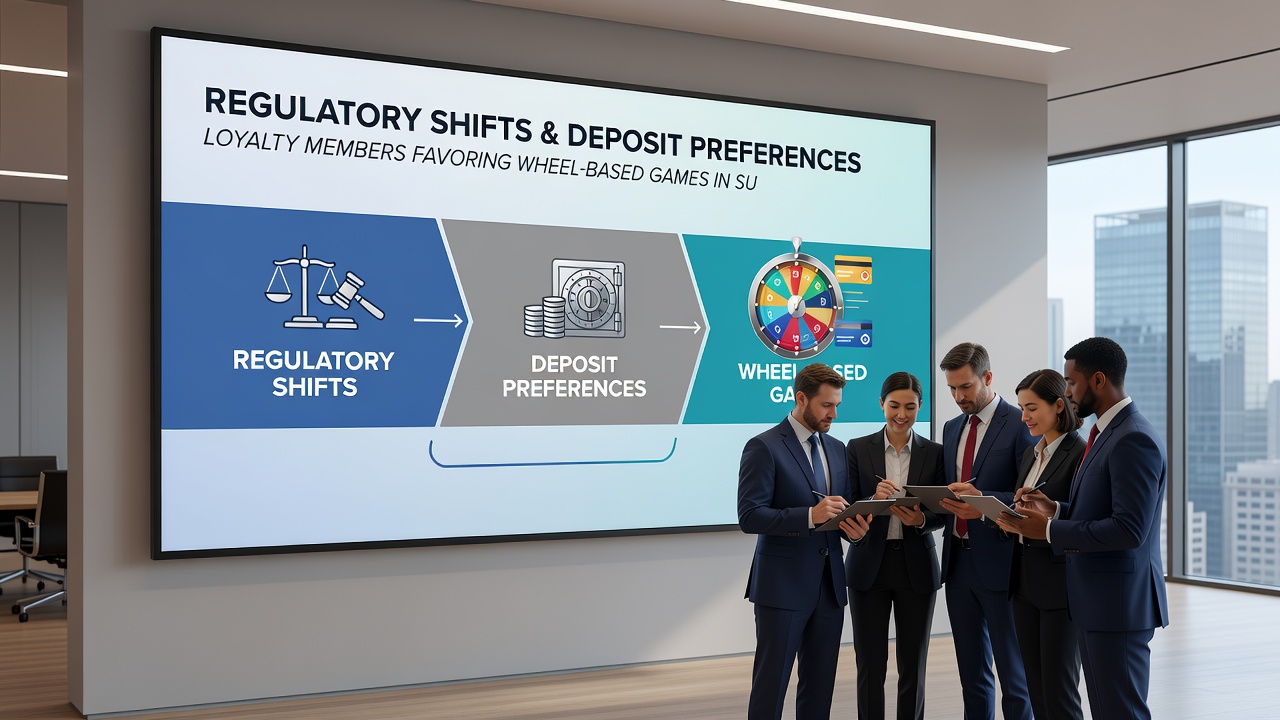
Operators have adjusted interface designs to highlight wheel-based options immediately after deposit completion, which aligns with compliance expectations for transparent fund allocation. Evidence from transaction logs suggests members respond by increasing deposit frequency when the process leads directly into wheel play sequences rather than menu navigation steps.
Subscription App Networks and Market Adjustments
Subscription app networks maintain closed ecosystems that bundle access fees with in-app gaming credits, and regulatory shifts have prompted operators to refine how deposits interact with these bundles. Networks that emphasize wheel-based content report higher retention rates among loyalty tiers because members perceive quicker returns through spinning mechanics. Figures released by the Canadian Gaming Association show subscription services in regulated provinces recorded elevated wheel-game participation after similar verification rules rolled out in early 2026. Networks continue to integrate payment gateways that support multiple currencies and instant confirmations, which further channels member funds toward wheel formats that display results rapidly.
Observed Patterns in Funding and Game Selection
Analysis of aggregated user data indicates correlations between chosen deposit methods and subsequent game selections, particularly when regulatory frameworks require clear labeling of transaction purposes. Loyalty members in these networks often select funding sources that minimize additional steps before accessing wheel-based titles, creating measurable clusters around roulette and similar mechanics. Industry reports from the Singaporean Gambling Regulatory Authority note parallel developments in Southeast Asian markets, where subscription models adopted wheel-focused promotions following updated deposit disclosure standards. These patterns demonstrate how compliance requirements intersect with member behavior to favor certain game categories over others within the same app environment.
Conclusion
Regulatory shifts implemented through 2026 have produced observable changes in deposit preferences within subscription app networks, directing loyalty members toward wheel-based games through streamlined transaction pathways and compliance-aligned interfaces. Data from multiple oversight organizations and research institutions confirm that funding method selections now align more closely with wheel-driven play patterns, reshaping activity distributions across these digital ecosystems. As additional jurisdictions introduce comparable standards, operators continue to monitor how these adjustments influence long-term member engagement and network design.