Payment Pathways Shaping Wheel Tactics Among App-Based Loyalty Participants
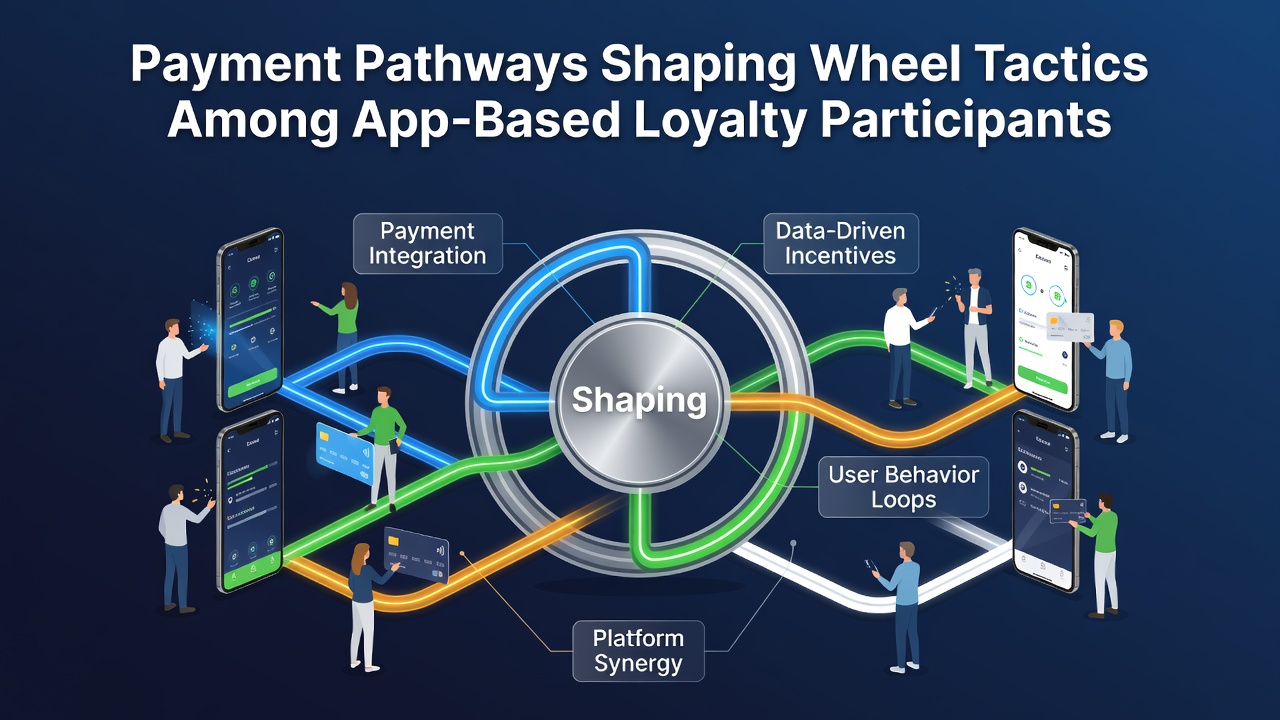
Payment pathways continue to influence decision patterns among participants in app-based loyalty programs that feature wheel-based games such as roulette and digital slot wheels, and data from multiple jurisdictions reveal measurable shifts in betting sequences when users select specific funding methods. Observers note that instant transfer options often correlate with shorter decision intervals before placing wagers on wheel segments while slower verification processes appear linked to more measured stake adjustments across loyalty tiers.
Funding Channels and Behavioral Correlations
Research indicates that participants who route funds through digital wallets complete initial wheel spins at higher frequencies within the first session compared with those relying on bank-linked transfers, and figures released in early 2026 by Canadian provincial regulators document this pattern across several licensed mobile platforms. Those who studied transaction logs at iGaming Ontario found that e-wallet users adjusted bet sizes on red-black or number clusters more rapidly after each outcome while credit card participants tended to maintain consistent stake levels for extended sequences.
What's interesting is how these patterns hold steady even when loyalty points accrue at identical rates regardless of funding source, and analysts tracking June 2026 activity report that reward redemption rates remain comparable yet the distribution of wheel selections diverges based on transfer speed. Participants using cryptocurrency options, for instance, demonstrate elevated engagement with multi-wheel bonus rounds that require sequential spins within tight time windows.
Regional Data Patterns Emerging in Mid-2026
European operators supplying anonymized session data to academic teams at the University of Malta have recorded similar divergences, with participants favoring prepaid card deposits showing stronger preference for conservative wheel segments such as even-money bets during the opening phases of play. In contrast, direct bank transfer users extend sessions longer before accessing loyalty-triggered free spin wheels, according to aggregated metrics shared through industry reporting channels.
Turnout data collected through June 2026 further highlights that loyalty program algorithms respond dynamically to payment velocity, and platforms adjust offered wheel multipliers when certain funding methods register repeated high-velocity deposits within a single calendar week. This automated response mechanism operates without direct player input yet shapes available tactics in real time.

Mechanics Inside Loyalty Frameworks
App ecosystems integrate payment verification steps directly into the loyalty dashboard, and users who complete verification through instant gateways unlock wheel variants with narrower payout bands sooner than those navigating manual review processes. Studies conducted by research groups affiliated with the Australian Communications and Media Authority show that these timing differences translate into distinct tactical clusters, where rapid-verification users cluster around high-volatility number selections while slower pathways steer activity toward broader coverage bets.
And the integration extends beyond initial deposits, because ongoing reward redemptions tied to specific payment histories influence which wheel configurations surface in personalized offers. Participants maintaining consistent cryptocurrency flows encounter more frequent invitations to participate in progressive wheel jackpots, whereas traditional card users receive targeted low-stake practice wheels that encourage gradual progression through loyalty ranks.
Observed Shifts Across Multiple Jurisdictions
Reports compiled by the National Council on Problem Gambling in the United States during the first half of 2026 note parallel trends within state-regulated mobile environments, where payment pathway selection appears to precede measurable changes in average spins per session. Those tracking these metrics emphasize that the relationship remains correlational rather than causal, yet the consistency across datasets suggests platform design choices amplify the effect.
Platform operators have responded by embedding clearer disclosures about how funding choices interact with loyalty mechanics, and several major providers now display estimated session pacing indicators alongside each available payment option. This transparency measure emerged after aggregated June 2026 figures revealed wide variance in wheel engagement depth depending on transfer method selected at onboarding.
Conclusion
Payment pathways therefore function as upstream variables that shape downstream wheel tactics inside app-based loyalty structures, and the evidence assembled through regulatory reports, academic datasets, and operator analytics continues to document these connections without attributing intent. As mobile frameworks evolve through the remainder of 2026, further monitoring will clarify whether design adjustments narrow or widen the observed divergences across funding types.