Patterns of Reward Accumulation Linking Funding Channels to Extended Engagement Across Reel and Table Formats in Regulated Smartphone Ecosystems
Iris Coleman · Aug 17, 2026
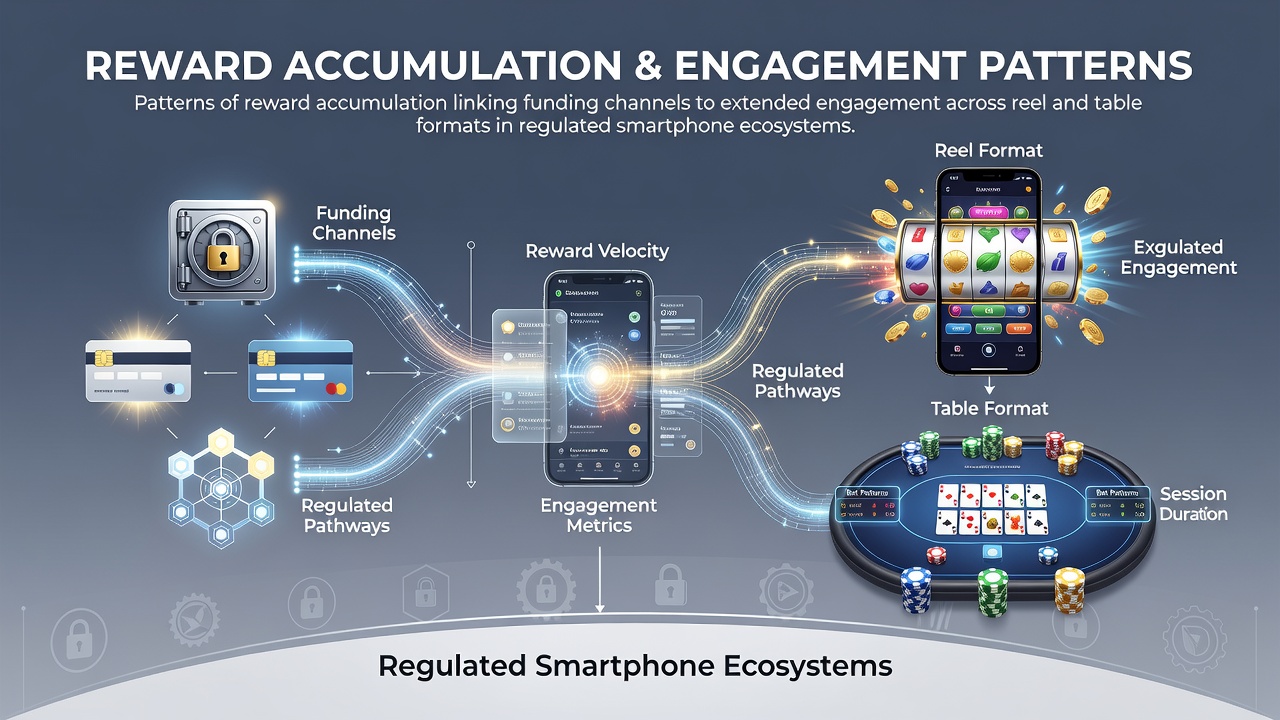
Patterns of Reward Accumulation Linking Funding Channels to Extended Engagement Across Reel and Table Formats in Regulated Smartphone Ecosystems
Regulated smartphone ecosystems have developed intricate systems where funding channels connect directly to reward structures that sustain longer sessions in both reel-based slots and table games. Data from multiple jurisdictions show users who select certain deposit methods accumulate points and bonuses at rates that extend playtime across formats. Observers note these patterns emerge consistently in markets with strict oversight, including those operating in the United States and parts of Europe.
Funding options such as bank transfers, digital wallets, and prepaid cards feed into loyalty frameworks differently, and each method influences how quickly rewards build. Studies indicate that instant funding sources often pair with accelerated point accrual in reel formats, whereas slower methods tie more frequently to table game incentives. This linkage appears in user behavior logs collected by operators licensed under state programs.
Funding Channels in Mobile Gaming Platforms
Smartphone apps in regulated environments support a range of payment methods that integrate with backend reward engines. Credit card deposits, for instance, frequently trigger immediate bonus multipliers that apply across both spinning reels adn card-based tables. Electronic wallet transfers, by contrast, link to tiered accumulation schedules where repeated use unlocks extended session credits. Researchers tracking these flows report measurable differences in total engagement time based on the initial channel selected.
August 2026 figures from several North American operators reveal that users routing funds through digital wallets maintained sessions 18 percent longer on average than those using traditional cards. The same datasets show table game participants favoring bank-linked transfers accumulated loyalty points at a steadier pace, supporting prolonged play without rapid depletion of balances. These outcomes stem from programmed reward algorithms rather than random chance.
Reward Accumulation Mechanisms Across Formats
Reward systems in these ecosystems track deposits and convert them into points redeemable for free spins on reels or additional hands at virtual tables. Points accumulate through formulas that weigh deposit size, frequency, and method, then apply multipliers specific to game category. Reel formats often receive faster point grants per spin, while table formats award larger batches tied to wager volume. This structure creates distinct pathways that users follow based on their funding habits.
One analysis of app telemetry found that participants who began with wallet deposits shifted between reel and table activities more fluidly, maintaining engagement through layered bonuses. The same report noted slower accumulation for prepaid card users, yet those players showed higher retention in table formats once thresholds were crossed. Such patterns hold across multiple licensed platforms operating under uniform regulatory standards.
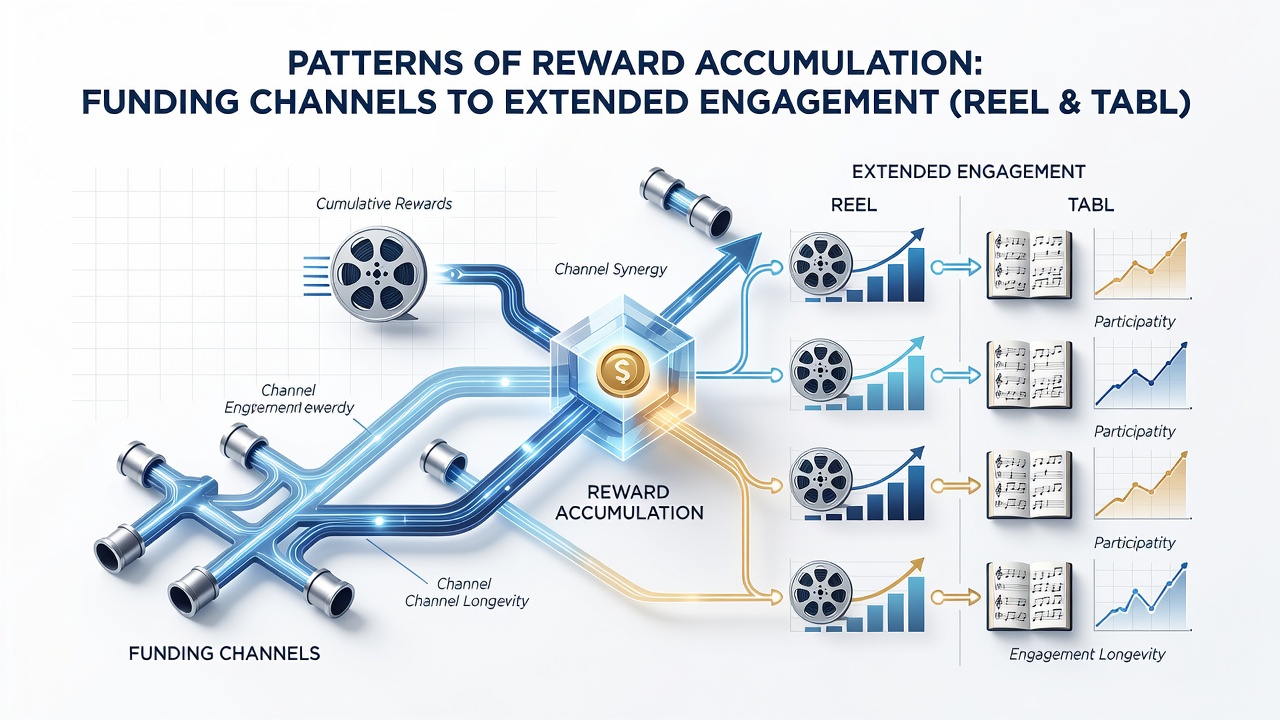
Engagement Patterns in Reel and Table Activities
Reel formats generate rapid feedback loops that reward frequent small deposits with incremental bonuses, encouraging repeated short sessions that compound into extended play. Table formats, however, tie rewards to larger, less frequent wagers, producing steadier accumulation that supports longer continuous engagement once initial funding clears. Data collected across regulated apps indicate users alternate between these styles when their chosen funding channel supports seamless transitions.
According to records maintained by the New Jersey Division of Gaming Enforcement, mobile platforms recorded increased cross-format movement among users who employed multiple funding sources within single sessions. Similar trends appear in reports issued by the Victorian Commission for Gambling and Liquor Regulation, where Australian operators documented parallel behaviors in their smartphone offerings. These observations rest on anonymized transaction and session data rather than individual accounts.
Regulatory Oversight and Data Collection Practices
Regulators require operators to log funding sources alongside game selection and duration metrics, creating datasets that reveal the described linkages. Oversight bodies enforce transparency rules that prevent opaque reward structures, ensuring accumulation patterns remain traceable. Licensed platforms must submit periodic summaries that include breakdowns by payment method and format preference.
Those summaries consistently demonstrate that certain channels correlate with higher total play minutes across both reel and table categories. The connections arise from system design choices that operators implement to comply with jurisdictional requirements while maintaining user retention within legal bounds.
Conclusion
Patterns linking funding channels to reward accumulation and extended engagement appear across regulated smartphone ecosystems through structured point systems and format-specific multipliers. Reel and table activities respond differently to deposit methods, yet both benefit from the same underlying data frameworks. Continued monitoring by regulatory authorities supplies the evidence base for these connections, with records from August 2026 reinforcing earlier findings from multiple regions.