How Regional Licensing Rules Steer Frequent Players Toward Specific Progressive Jackpot Pools Inside Global Mobile Loyalty Circles
Amir Jung · Jul 29, 2026
How Regional Licensing Rules Steer Frequent Players Toward Specific Progressive Jackpot Pools Inside Global Mobile Loyalty Circles
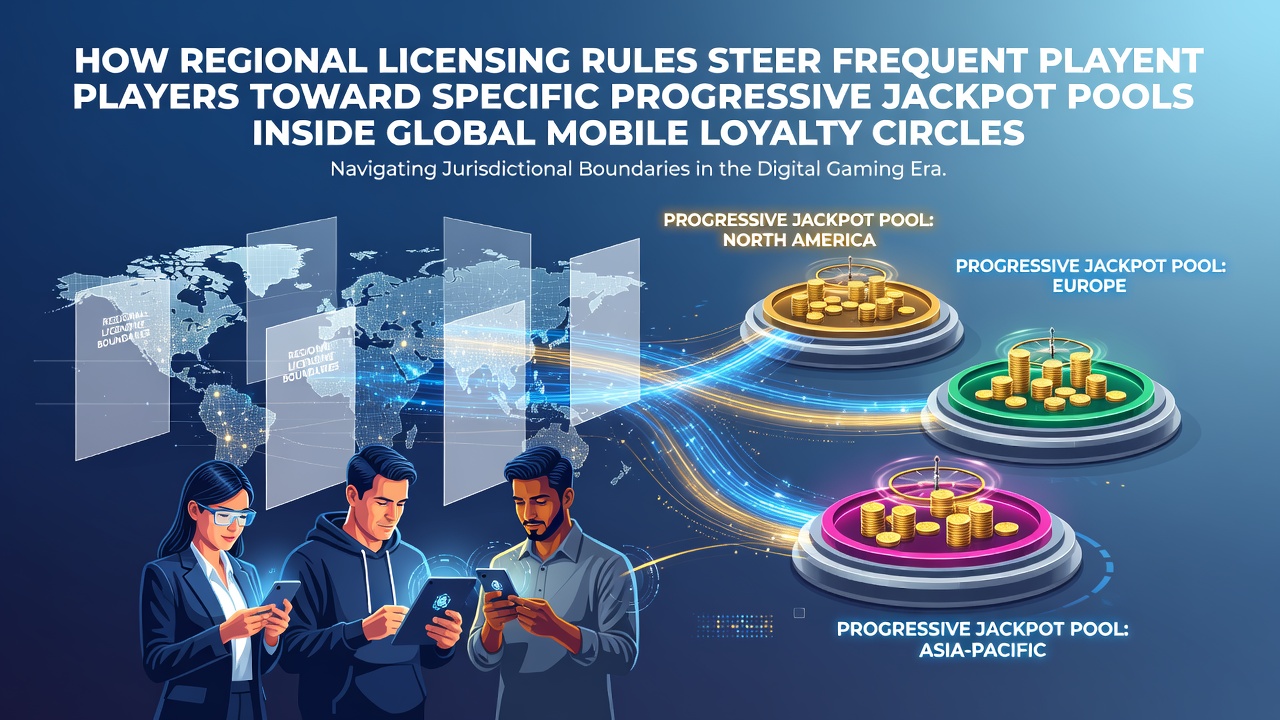
Regional licensing frameworks determine which progressive jackpot pools mobile operators can offer, and this directly channels frequent players into specific networks inside loyalty programs. Operators secure licenses from individual jurisdictions that impose strict requirements on jackpot pooling, cross-border participation, and player eligibility, so loyalty circles built around those licenses guide members toward compliant pools rather than global alternatives.
Licensing Structures and Jackpot Pool Limitations
Data from regulatory filings shows that licenses granted by bodies such as the New Jersey Division of Gaming Enforcement restrict progressive jackpots to pools certified within that state or through approved multi-state agreements, while licenses issued by the Malta Gaming Authority permit broader European pooling under different technical standards. Frequent players enrolled in mobile loyalty programs receive tailored notifications and bonus structures that highlight only the pools available under their region’s license, because the operators must comply with these boundaries to maintain their operating authority.
July 2026 brought additional clarity when several jurisdictions updated their technical standards for jackpot certification, requiring operators to segregate pool contributions by license type. This change reinforced existing patterns where loyalty program algorithms prioritize regional pools that align with the player’s registered location and license compliance record.
Player Routing Through Mobile Loyalty Mechanisms
Loyalty circles operate through apps that track player location, license jurisdiction, and contribution history, then route users toward progressive pools that satisfy all applicable rules. Research from the Canadian Gaming Association indicates that members in provinces with strict inter-jurisdictional rules accumulate loyalty points faster when they participate in locally licensed pools, while those in more permissive regions gain access to larger but differently regulated networks.
Operators design reward tiers and milestone bonuses around these constraints, so a player in one licensing area earns accelerated progress toward a regional mega jackpot, whereas the same player traveling to another licensed territory encounters a different pool structure. The system maintains compliance by limiting jackpot visibility and contribution options to those pre-approved under the active license.
Geographic Variations in Pool Access
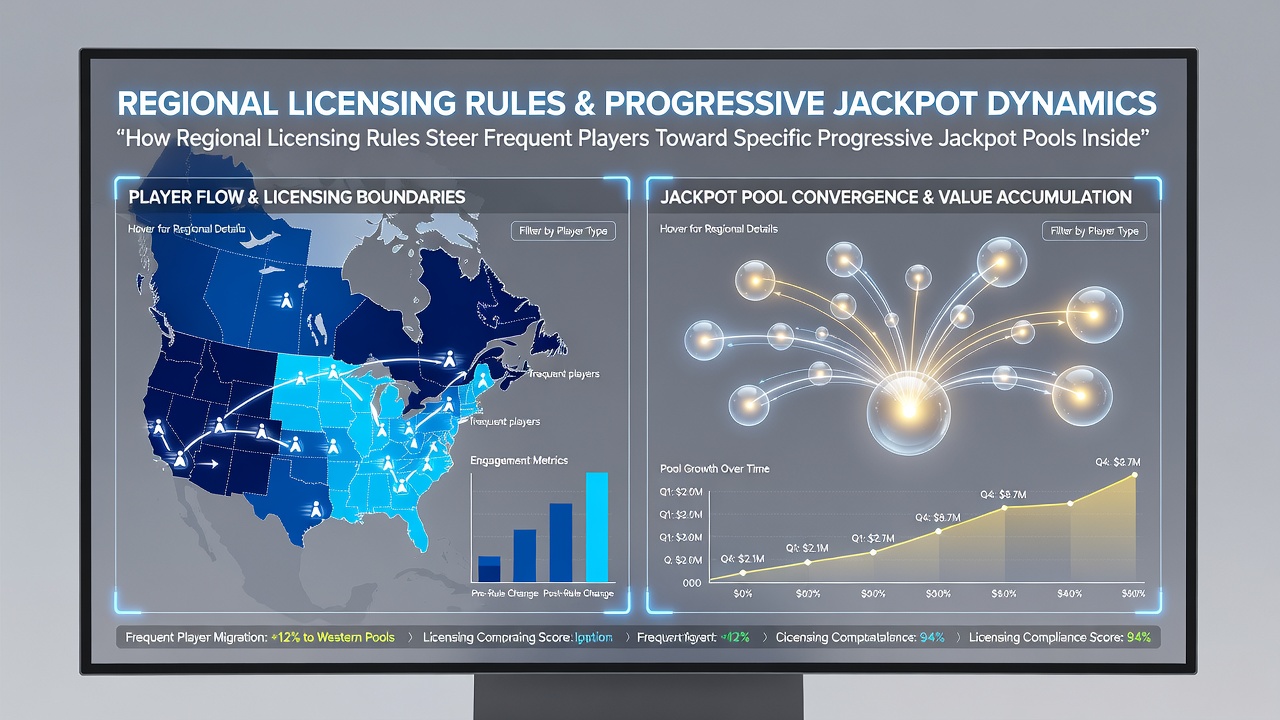
European operators licensed under frameworks coordinated by the European Gaming and Betting Association often connect players to multi-country pools that meet harmonized standards, yet these differ substantially from pools available through Australian state licenses administered by bodies such as the New South Wales Independent Liquor and Gaming Authority. Frequent players who move between regions notice their loyalty profiles automatically adjust to surface only the progressive options permitted in the current jurisdiction, because the app enforces license-specific rules at the account level.
Studies published by university gaming research centers document how these adjustments influence long-term play patterns, with data showing higher retention rates when loyalty programs consistently highlight compliant regional jackpots instead of unavailable global alternatives. Operators achieve this through backend filtering that matches player profiles to licensed pools before any jackpot interface loads.
Technical and Compliance Drivers
Progressive jackpot systems rely on certified random number generators and contribution ledgers that regulators audit per license, so mobile platforms integrate these controls into loyalty program logic. When a player attempts to join a non-compliant pool, the system redirects them to an approved alternative while preserving accumulated loyalty status. This redirection occurs seamlessly because the license terms require it, and operators embed the necessary checks to avoid penalties.
Industry reports reveal that in July 2026 several platforms completed upgrades to their loyalty engines to handle these redirections more efficiently, reducing instances where players encountered unavailable jackpots. The result is a more predictable experience where frequent players gravitate toward the pools their license permits, and operators maintain uninterrupted operations across multiple regions.
Conclusion
Regional licensing rules establish the boundaries within which progressive jackpot pools operate, and mobile loyalty circles function as the mechanism that steers frequent players toward the compliant options available in their jurisdiction. Operators respond by aligning app features, reward structures, and jackpot visibility with license requirements, creating a system where player choice remains confined to approved networks. Data from multiple regulatory sources confirms this steering effect persists across different geographic areas and continues to shape participation patterns in global mobile gaming environments.