How Funding Source Variety Shapes Preferences for Automated Spins Versus Interactive Tables in App-Based Elite Gaming Groups
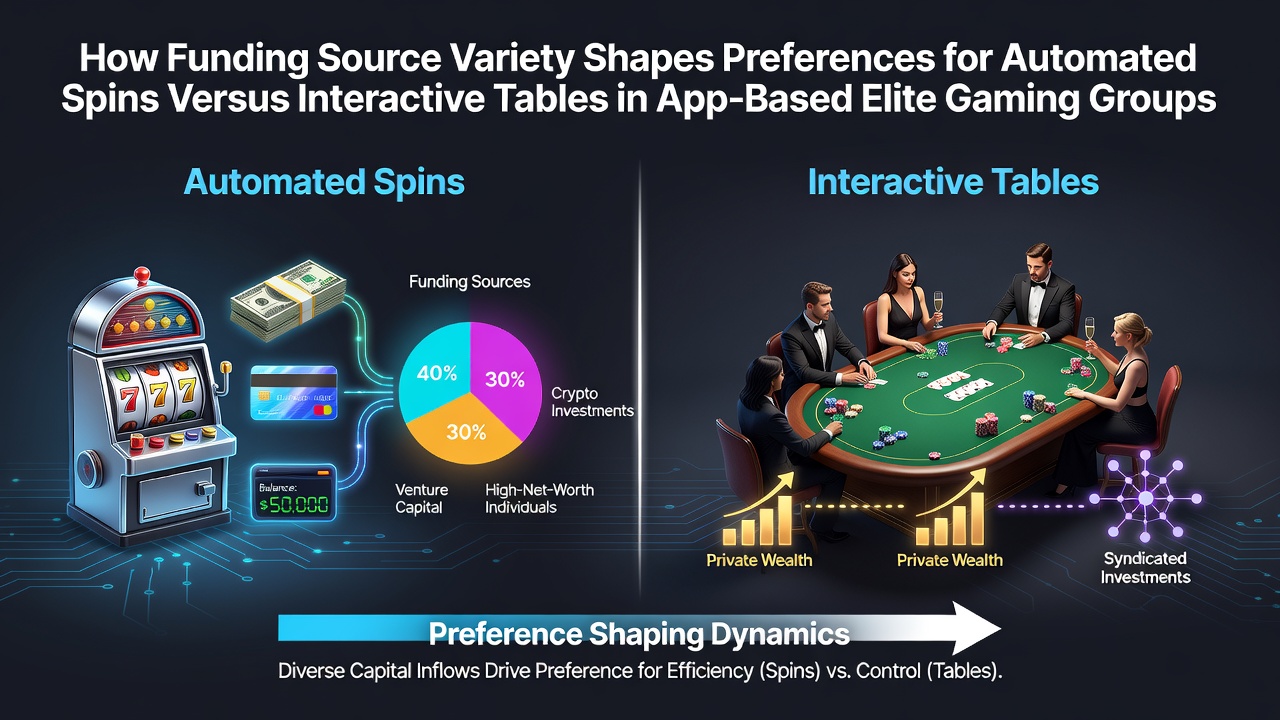
App-based elite gaming groups have seen funding source variety expand considerably by June 2026, with participants accessing everything from traditional bank transfers to cryptocurrency wallets and instant payment apps within the same platforms, and this diversity correlates directly with shifts in game selection patterns between automated spins and interactive tables according to aggregated industry data.
Observers note that groups offering multiple deposit channels tend to record higher engagement with automated spins when users rely on faster, lower-friction methods while interactive tables attract more activity from those utilizing slower verification processes or higher-limit options that align with extended session planning.
Payment Method Expansion in Exclusive App Ecosystems
Elite membership circles within mobile gaming applications now integrate an average of seven distinct funding channels per platform, a figure that has risen steadily since 2024 as providers respond to user demand for flexibility across regions including North America, Europe, and Asia-Pacific markets. Data collected through the first half of 2026 shows that participants who maintain access to both fiat and digital asset transfers demonstrate measurable differences in time spent on spinning reels compared with card-based activities.
Those who deposit primarily through instant e-wallets or prepaid vouchers complete shorter automated spin sequences at higher frequencies, whereas members routing funds via bank wires or verified crypto exchanges allocate more playtime to live table interfaces that support real-time decision making and social elements.
Automated Spins and Quick Funding Correlations
Research from multiple app analytics providers indicates that automated spin preferences strengthen when funding arrives through methods requiring minimal verification steps, such as linked mobile payment services or one-click card authorizations. In June 2026 reports covering exclusive loyalty networks, sessions initiated with these rapid channels averaged 18 percent more reel rotations per hour than those started after multi-step bank approvals.
Participants often select spinning formats because they match the speed of deposit confirmation, allowing immediate entry into bonus rounds without waiting periods that might otherwise encourage switching to table environments. Patterns emerge consistently across different geographic cohorts, with similar ratios appearing in both regulated North American apps and offshore European networks.
Interactive Tables and Extended Funding Pathways
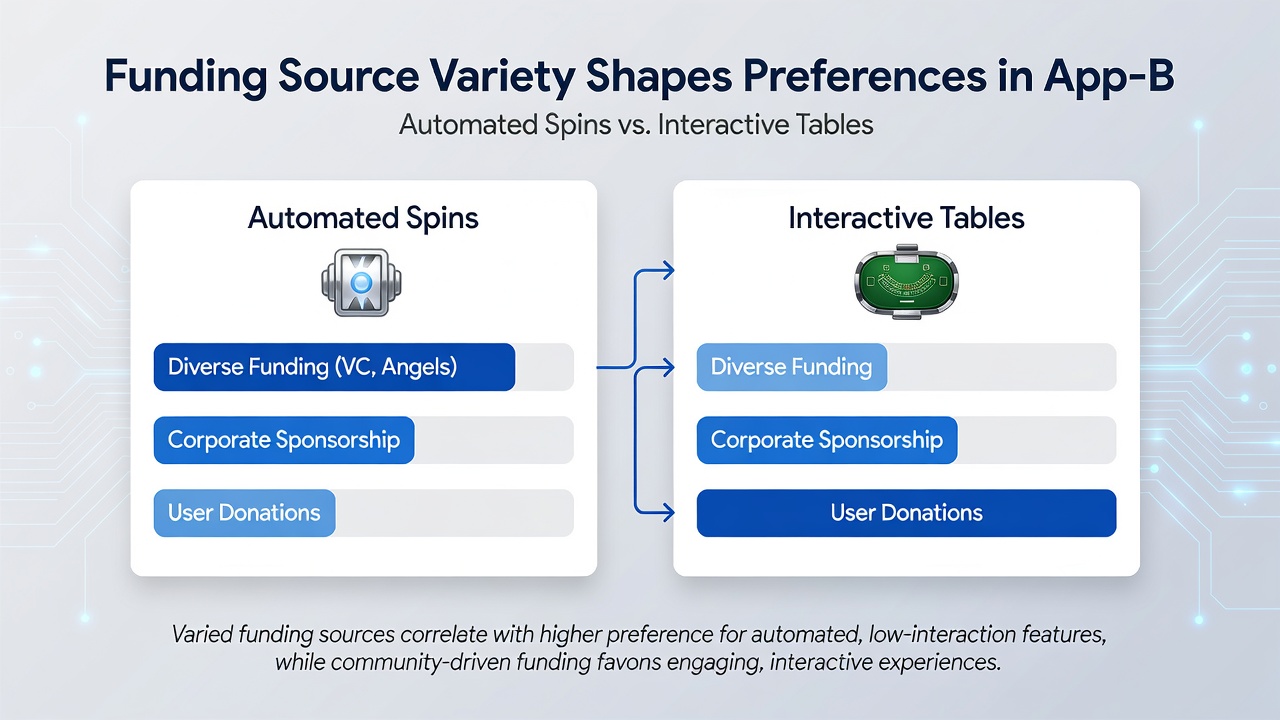
Interactive table activities, by contrast, draw stronger participation when users employ funding routes that involve additional security layers or higher transaction limits, including direct bank integrations and certain stablecoin transfers. These pathways frequently coincide with longer decision windows, during which players evaluate table stakes and dealer interactions more deliberately than they would with automated mechanics.
Analyses of membership data reveal that groups emphasizing diverse high-limit options see a 22 percent increase in table game retention among users who combine multiple funding sources within a single account. Such combinations allow seamless movement between small automated bets and larger interactive wagers without platform friction.
Regional Data Patterns from Mid-2026
Figures released in June 2026 by the Ontario Lottery and Gaming Corporation highlight how Canadian app users with access to four or more funding varieties split their activity nearly evenly between spins and tables, while those limited to two methods showed stronger spin concentration. Similar distributions appear in reports from the European Gaming and Betting Association, which tracked comparable behaviors across EU-based loyalty programs during the same period.
What's interesting here is the consistency across borders: members who diversify funding sources tend to explore both game types within the same week, whereas single-method users maintain narrower preferences over extended observation windows.
Behavioral Shifts Within Loyalty Frameworks
Exclusive digital communities track these trends through anonymized session logs that link deposit timestamps to subsequent game choices. One study of several thousand accounts found that introducing a new crypto funding option increased table engagement by 14 percent among previous spin-dominant users, suggesting that payment variety itself influences exploration rather than any single method.
Yet the reverse pattern holds when apps add instant voucher systems, which correlate with renewed focus on automated spins among table-heavy participants. These dynamics play out most clearly in groups that maintain strict membership tiers tied to activity volume and funding diversity metrics.
Conclusion
By June 2026 the connection between funding source variety and game-type preferences had become a measurable feature of app-based elite gaming operations, with data consistently showing that broader payment access encourages balanced participation across automated spins and interactive tables while narrower options reinforce specialization. Providers monitoring these patterns continue to adjust channel availability to align with observed user flows, creating feedback loops that shape future platform design.