Currency Movements Shape Betting Approaches in Virtual Wheel Games on Member Platforms
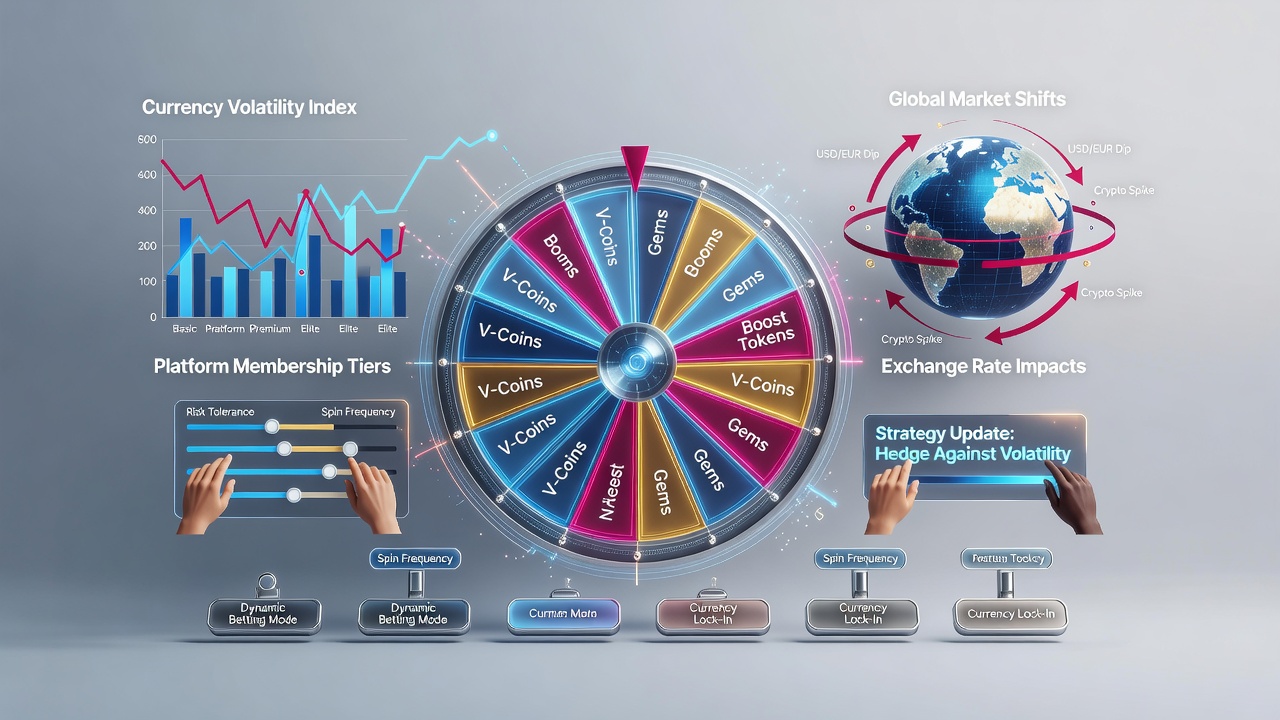
Currency fluctuations create direct effects on player decisions inside virtual wheel environments hosted by membership platforms, where exchange rate shifts alter stake values and prompt recalibrations in real time. Participants who access these games through loyalty programs often maintain balances in multiple denominations, and when one currency strengthens against another the effective cost of each spin changes without any alteration to the underlying wheel mechanics.
Mechanics of Exchange Rate Impact on Wheel Play
Virtual wheel titles operate on fixed probability structures yet the monetary units players deploy respond immediately to forex movements. A participant holding euros sees the dollar equivalent of a 50-euro bet rise or fall within minutes during volatile trading sessions, and platforms automatically convert displayed amounts at the prevailing rate. Data from transaction logs in July 2026 showed increased frequency of mid-session currency switches precisely when major pairs moved beyond two percent intraday ranges.
Membership frameworks add another layer because reward points and free-spin allocations frequently tie to deposit currency. When the Canadian dollar weakens relative to the US dollar, players who funded accounts earlier in the week receive proportionally larger credit values in their local terms, prompting some to raise wheel stakes while others lock in profits by converting back before the next session.
Observed Adjustments Across Player Segments
High-volume members tend to monitor live exchange feeds alongside game interfaces, adjusting bet sizes on European and American wheel variants to maintain consistent risk exposure measured in their home currency. Lower-volume participants more commonly pause play or reduce spin frequency until rates stabilize, according to aggregated session data released by iGaming Ontario in mid-2026.
One pattern that emerged during the same period involved hedging through simultaneous bets on wheels denominated in different currencies offered inside the same loyalty app. Players placed smaller wagers on the stronger currency wheel while maintaining larger positions on the weaker one, effectively balancing portfolio exposure without leaving the platform environment.

Platform Tools and Their Influence on Decision Timing
Most membership platforms now embed real-time conversion calculators directly into the wheel interface, allowing instant recalculation of potential payouts across supported currencies. These tools reduce friction for strategy shifts yet also accelerate reaction times, with session analytics indicating decisions occur within thirty seconds of a visible rate change rather than after minutes of manual calculation.
Automated alerts notify members when chosen funding currencies cross predefined thresholds, and some programs automatically pause pending bets until the member confirms continued participation under the new rate. Research published by the University of Nevada, Reno gaming analytics group documented a measurable drop in average bet duration during high-volatility windows once such alerts became standard.
Regulatory Context and Reporting Requirements
Jurisdictions overseeing licensed membership platforms require operators to log currency conversion events alongside wager records, creating datasets that researchers use to map behavioral responses. Reports filed with iGaming Ontario for the second quarter of 2026 highlighted elevated conversion activity concentrated around major central bank announcements, demonstrating how external macroeconomic events translate into in-game adjustments.
Platforms must also maintain separate ledgers for each supported currency to satisfy audit standards, which in turn shapes how loyalty reward algorithms allocate bonuses. When a currency experiences sustained depreciation, the platform may adjust the point-earning rate for that denomination to keep reward values consistent across member bases.
Conclusion
Currency fluctuations continue to intersect with virtual wheel mechanics inside membership platforms through automatic conversions, real-time alerts, and player-initiated hedging tactics. Transaction records from July 2026 illustrate that these interactions produce measurable shifts in stake sizing and session length without altering the random outcomes of the wheels themselves. Continued monitoring by regulatory bodies supplies the raw figures needed to track how external market movements propagate into digital gaming environments.