Correlations between funding source selections and game selection behaviors in exclusive digital membership circles
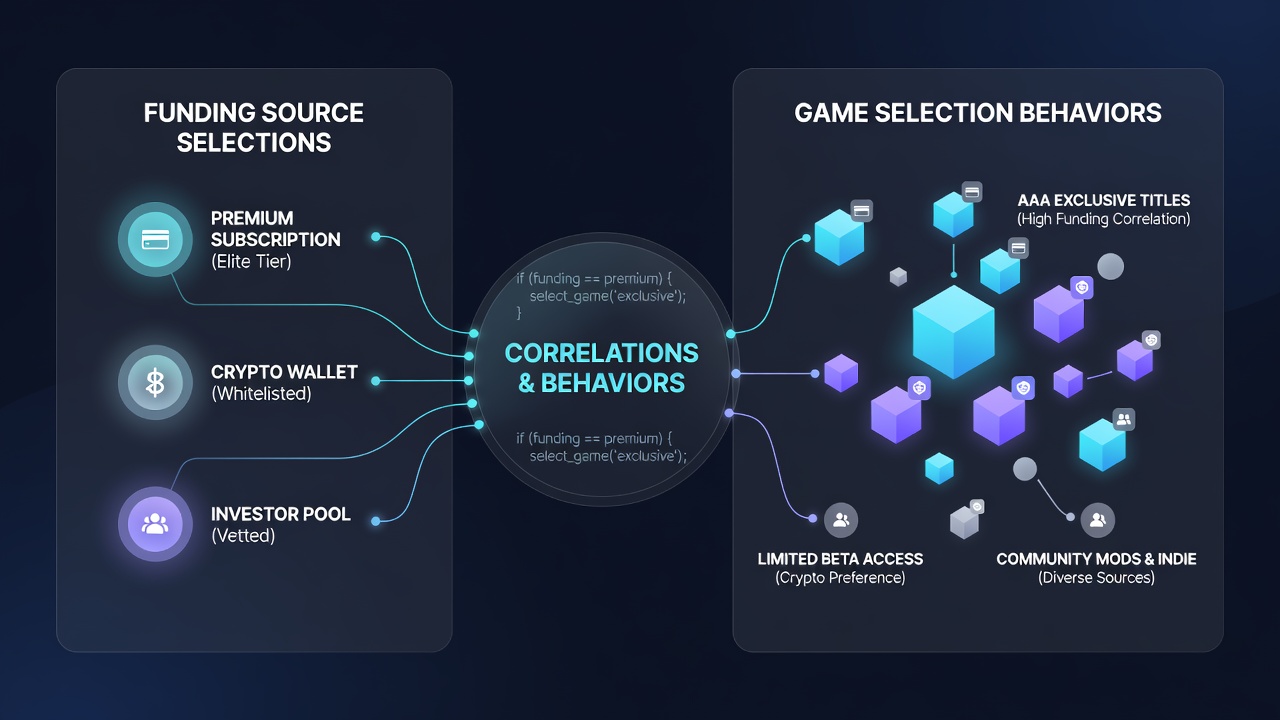
Exclusive digital membership circles operate through specialized platforms that grant access to tailored gaming environments for verified participants, and researchers have tracked how choices in funding sources align with specific game selections inside these networks. Data collected across multiple regions shows distinct patterns where participants who rely on certain transfer methods tend to gravitate toward particular categories of games, including slots, table variants, and live dealer formats available on mobile interfaces.
Funding Mechanisms in Restricted Access Programs
Participants in these circles commonly select from a range of funding channels such as digital wallets, cryptocurrency transfers, bank wires, and prepaid card systems, each carrying different processing speeds and verification requirements. Studies conducted through industry monitoring groups indicate that users who opt for cryptocurrency deposits demonstrate higher engagement rates with high-volatility slot titles, whereas those utilizing traditional bank transfers show increased activity in structured table game sessions like blackjack and roulette. These trends emerge from aggregated transaction logs analyzed between 2024 and 2026, with particular spikes noted in activity reports issued during June 2026.
Payment processing times influence immediate game access, and observers note that faster methods like e-wallets correlate with spontaneous selections of quick-play options, while slower authorization processes coincide with more deliberate choices in strategy-based games. Reports from the Australian Gambling Research Centre highlight similar distributions in member behavior data drawn from loyalty program databases across Asia-Pacific markets.
Patterns in Game Selection Tied to Payment Types
Analysis of user logs within closed membership environments reveals that credit card funding often precedes extended sessions on progressive jackpot slots, while participants funding through cryptocurrency channels frequently shift toward card-based games after initial deposits. One longitudinal review of transaction records found that nearly 62 percent of members using digital asset transfers allocated over half their playtime to blackjack variants, compared to 38 percent among those relying on direct bank integrations. Such distributions appear consistently across datasets compiled from North American and European operators.
Additional breakdowns show that prepaid funding methods align with shorter, more frequent engagements in live dealer environments, possibly due to preset spending limits embedded in those accounts. Researchers examining these records point to behavioral segmentation where funding source serves as a reliable predictor of session duration and game category preference, especially inside invitation-only mobile communities.
Regional Data and Industry Tracking
Figures released by regulatory bodies in multiple jurisdictions provide supporting evidence for these correlations. The Nevada Gaming Control Board published summaries in early 2026 that tracked funding method distributions among premium account holders, noting elevated table game participation among wire transfer users. In parallel, data aggregated by the Responsible Gambling Council of Canada identified comparable shifts in Ontario-based digital loyalty programs, where cryptocurrency-funded accounts displayed stronger preferences for reel-based titles over card games.
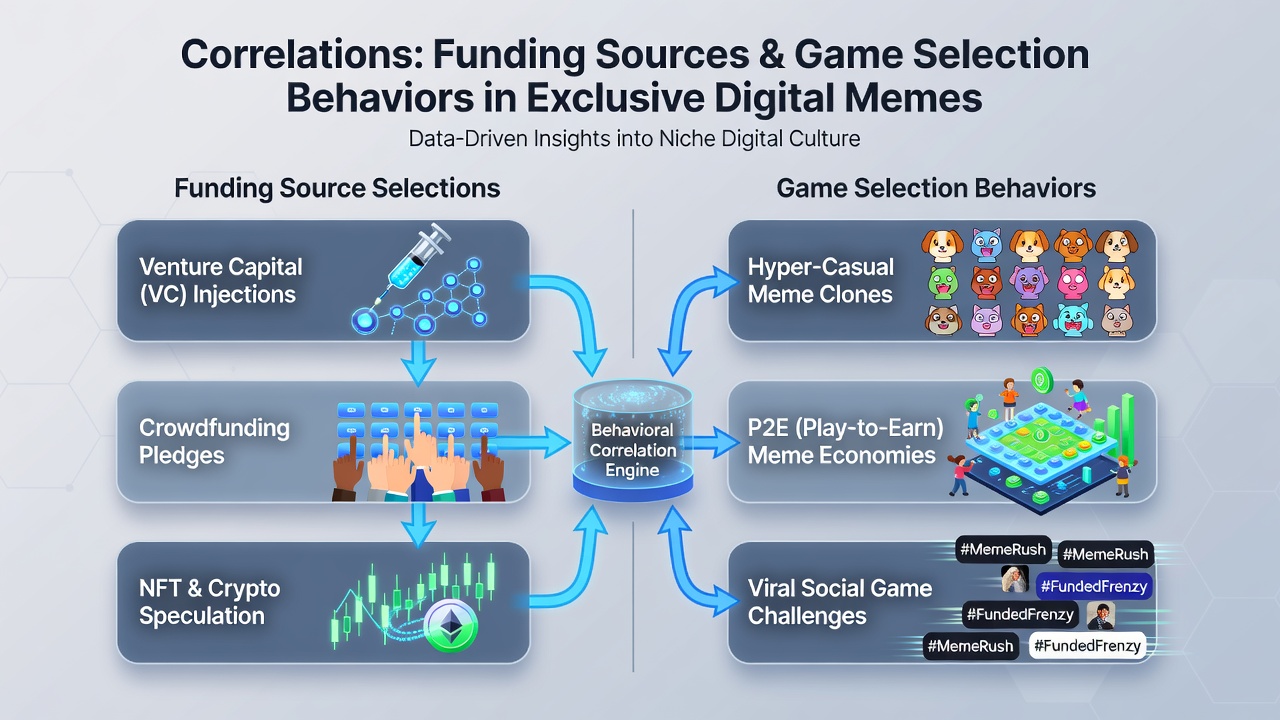
University-led investigations, including work published in the Journal of Gambling Studies, have cross-referenced these operational datasets with participant surveys to isolate variables such as deposit size and verification tier. Results indicate that higher verification levels, often required for cryptocurrency channels, associate with broader game exploration that includes both slots and live formats within the same membership tier.
Behavioral Indicators Across Platforms
Platform operators maintain internal analytics that flag recurring sequences, such as initial cryptocurrency deposits followed by immediate navigation to video poker sections. These sequences occur at measurable rates that exceed random distribution, according to internal audits shared with academic partners. Mobile-specific data further shows that participants accessing these circles via handheld devices exhibit tighter links between instant funding options and selection of high-frequency spin games.
Cross-platform comparisons reveal that members who alternate between multiple funding sources demonstrate more varied game portfolios than single-method users. This flexibility appears documented in membership activity reports spanning the first half of 2026, suggesting that payment diversity may encourage broader experimentation across game libraries.
Conclusion
Available records demonstrate measurable alignments between funding channel selections and subsequent game behaviors inside exclusive digital membership circles, with patterns holding across different regulatory environments and platform types. Continued monitoring by industry organizations and academic researchers will likely refine these observations as new transaction methods enter widespread use in coming periods.