Bonus Integration Patterns: How Initial Incentives Influence Long-Term Preferences for Live Versus Simulated Casino Experiences in App Ecosystems
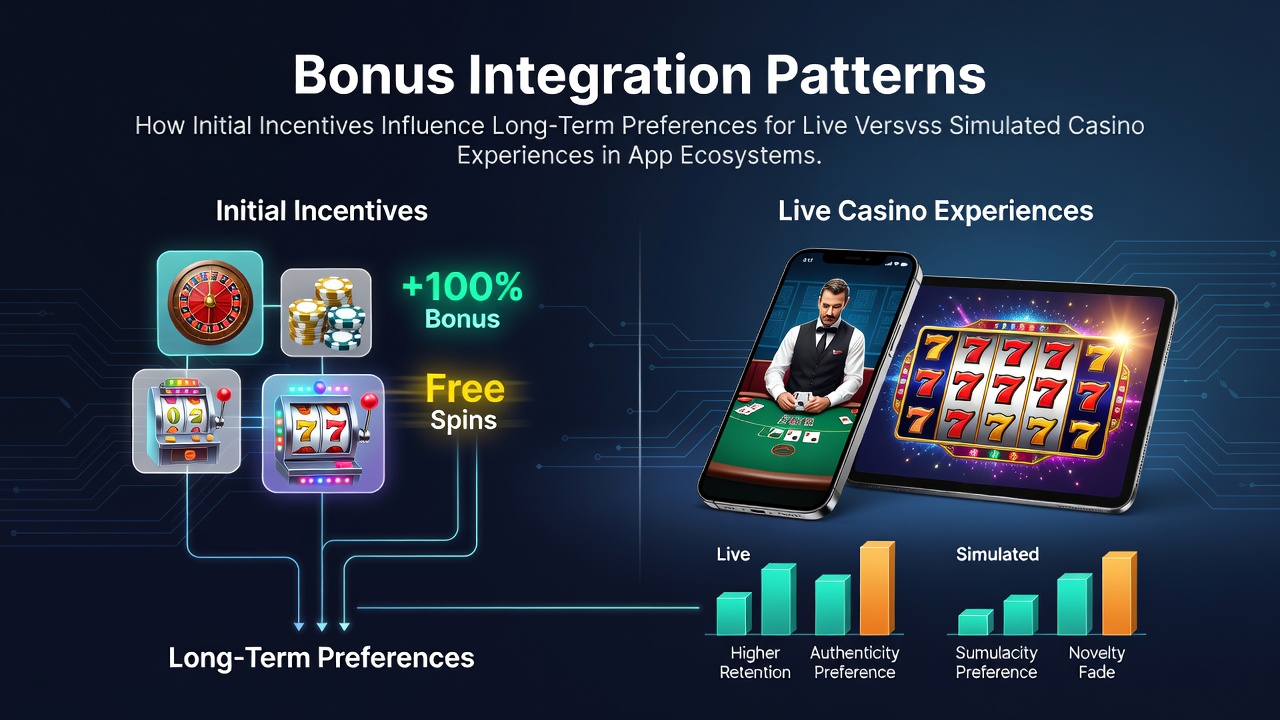
App-based casino platforms have integrated bonus structures that shape user engagement from the first interaction, and these patterns extend into sustained preferences between live dealer formats and simulated RNG games. Research indicates that welcome bonuses, free spins, and deposit matches often direct initial activity toward specific game categories, with data showing measurable effects on retention metrics months later.
Initial Bonus Structures and Early User Behavior
Operators deploy tiered incentive models that allocate rewards differently across game types, and studies from mobile gaming analytics firms reveal that bonuses tied to simulated slots generate higher first-week engagement rates compared to those requiring live table participation. This occurs because simulated games load faster on mobile devices while live streams demand stable connections and real-time scheduling, yet the long-term trajectory shows users migrating toward live options when initial incentives include progressive loyalty tiers that reward table game volume.
One analysis of app ecosystems in North America found that players receiving slot-focused free spins maintained simulated game activity at elevated levels through the first quarter, whereas those given live dealer credits demonstrated quicker adoption of blackjack and roulette variants. The distinction emerges from how bonus mechanics align with game volatility profiles, since simulated titles deliver frequent small outcomes that align with incremental reward unlocking, while live experiences introduce social and pacing elements that sustain interest once users pass the onboarding phase.
Shifts in Preference Over Extended Periods
Longitudinal tracking across multiple platforms demonstrates that preferences evolve based on the structure of recurring promotions rather than the opening offer alone. Data collected through June 2026 indicates that users who began with simulated slot bonuses showed a 34 percent increase in live dealer session duration after six months when platforms introduced hybrid loyalty programs that converted slot points into live game credits. This transition pattern appears consistently in markets where regulatory frameworks support both game categories within single app environments.
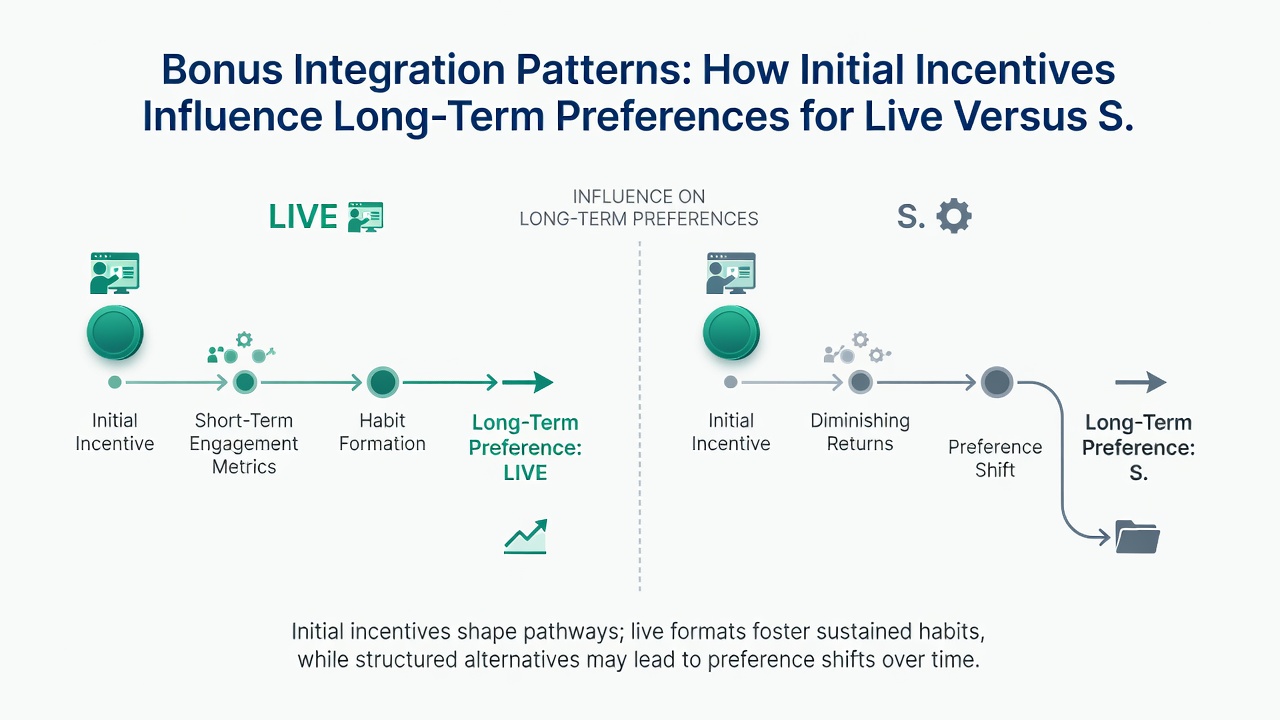
Conversely, players starting with live-focused incentives maintained higher simulated game participation when bonus designs emphasized quick-play mechanics during live stream intermissions. Observers note that these crossovers occur because app interfaces now embed seamless switching between formats, allowing users to alternate without exiting the session or losing progress toward reward thresholds.
Regional Data and Platform Comparisons
Figures from the Ontario Lottery and Gaming Corporation highlight similar dynamics in regulated Canadian markets, where bonus integration patterns correlate with device type and session length. Mobile users exposed to initial deposit matches redeemable across both formats displayed balanced long-term preferences, while those restricted to simulated games during the bonus period retained higher simulated engagement rates. The same report notes that live dealer preference grew steadily when platforms offered time-limited multipliers during peak hours, suggesting that incentive timing influences category loyalty beyond the initial acquisition phase.
Additional evidence from industry reports produced by the Australian Gambling Research Centre shows parallel trends in Asia-Pacific app ecosystems. Users receiving simulated slot bonuses in the first month exhibited stronger attachment to progressive jackpot titles over time, yet platforms that layered live dealer cashback programs onto those accounts recorded increased live session frequency by the third quarter. These findings align with behavioral data indicating that incentive layering reduces format switching friction once users establish baseline activity patterns.
Technical and Design Factors in App Ecosystems
App architecture plays a direct role in how initial incentives translate into sustained preferences, since push notifications, in-app messaging, and reward dashboards guide users toward particular game categories. Platforms that surface live dealer tables immediately after simulated bonus rounds complete report faster preference stabilization, while those maintaining separate navigation flows for each format experience slower migration. Research indicates that session continuity features, such as shared wallets and unified progress trackers, amplify the influence of early incentives by reducing cognitive load when users explore new formats.
Payment integration also factors into these patterns because deposit bonuses processed through instant methods often pair with live games requiring higher minimum stakes, whereas slower verification processes align more readily with simulated play that tolerates smaller incremental bets. This connection emerges clearly in datasets tracking transaction velocity alongside game selection, revealing that funding source and bonus type jointly shape the trajectory from initial engagement to long-term category preference.
Conclusion
Bonus integration patterns demonstrate measurable influence on whether users develop lasting preferences for live dealer or simulated experiences within casino apps, and the effects compound through recurring promotions, platform design choices, and regional regulatory conditions. Data collected through mid-2026 continues to illustrate these dynamics across multiple markets, underscoring how early incentive structures interact with ongoing reward mechanisms to guide sustained user behavior in app ecosystems.