Behavioral Shifts in Table Game Selection Following Tiered Reward Activation Across Secure Digital Payment Networks
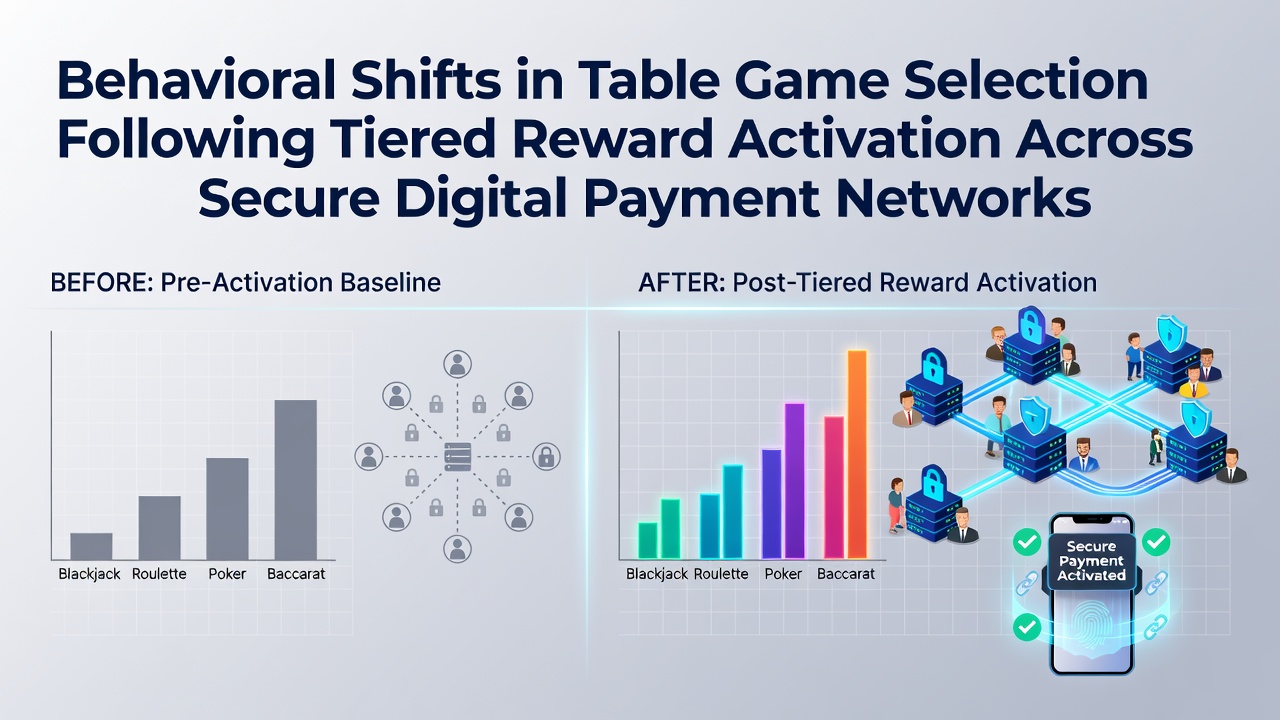
Secure digital payment networks have expanded their reach into casino ecosystems, and tiered reward structures now activate once players complete verified transactions through encrypted channels. Observers note that these systems track deposit frequency, volume, and consistency, then unlock escalating benefits such as enhanced cashback rates, priority seating at virtual tables, and accelerated point accumulation specifically for table games. Data collected through July 2026 shows measurable movement away from automated reel games toward card and wheel formats once higher reward tiers become available.
Payment Network Integration and Reward Mechanics
Digital wallets and blockchain-based transfers feed directly into casino loyalty engines, allowing real-time tier evaluation. When a player reaches a new threshold, the system automatically applies multipliers to table game wagers while leaving slot contributions unchanged. Researchers tracking user logs across multiple platforms report that blackjack and roulette selections rise by double-digit percentages within 48 hours of tier activation, whereas slot engagement either plateaus or declines slightly.
Secure transfer protocols reduce processing delays to seconds, removing friction that once discouraged frequent play. Because rewards scale with verified activity, participants who favor table games accumulate points faster after activation than they did under flat reward models. Figures from industry monitoring services indicate that average session length for blackjack increases once the second or third reward tier unlocks, while roulette sees similar extensions in regions where wheel-based variants carry distinct multiplier tables.
Observed Selection Patterns Across Platforms
Analytics dashboards reveal consistent redistribution of play volume. Players who previously split time evenly between slots and tables shift their ratio toward tables by 15 to 25 percent after tier upgrades. This pattern holds across both mobile applications and desktop interfaces, suggesting the driver lies in the reward structure rather than device type. European operators using multi-currency payment rails document parallel trends, with roulette selections climbing when tier benefits include free bet vouchers redeemable only on table products.
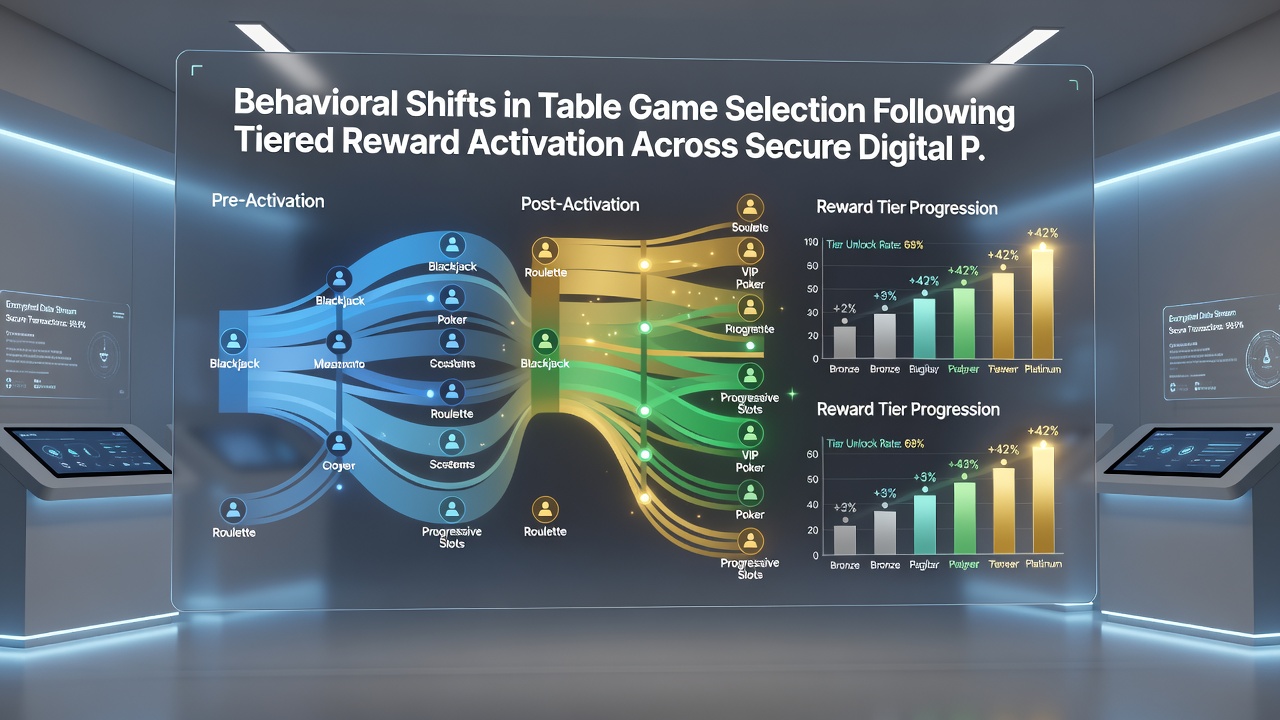
North American markets show comparable redistribution once state-regulated apps integrate certified payment gateways. Data compiled through July 2026 by the Nevada Gaming Control Board highlights elevated table game handle among loyalty members who route deposits through approved digital networks. Meanwhile, Canadian provincial regulators note parallel upticks in blackjack participation within apps that activate tiered incentives immediately upon transaction confirmation.
Regional Regulatory Context and Data Sources
Regulatory frameworks in different jurisdictions shape how quickly these behavioral adjustments appear. Australian state authorities require operators to publish aggregated play distribution reports, and those documents show table game proportions rising after secure payment-linked rewards launch. In contrast, certain Asian markets maintain stricter separation between payment rails and game categories, resulting in slower observable shifts until regulatory updates permit tighter integration.
Academic studies from institutions such as the University of Nevada, Reno have examined longitudinal player data and found that reward tier activation correlates with increased strategic play sessions rather than purely random selections. The research tracks individual accounts across payment methods and confirms that participants migrate toward games offering skill elements once multipliers apply exclusively or preferentially to those titles.
Future Tracking and Measurement Approaches
Operators continue refining metrics that isolate reward-driven changes from seasonal or promotional effects. Heat maps of game selection before and after tier activation now appear in quarterly compliance filings, allowing regulators to monitor whether shifts remain within acceptable risk parameters. Payment network providers supply anonymized transaction timestamps that align precisely with in-game activity logs, producing clearer cause-and-effect sequences than earlier manual surveys permitted.
Cross-border comparisons further illustrate the pattern. Jurisdictions that adopted encrypted instant transfer standards earlier display more pronounced table game increases than those still transitioning from legacy banking rails. This geographic variance supplies natural experiments for analysts seeking to quantify the isolated impact of reward tier mechanics.
Conclusion
Secure digital payment networks, when paired with tiered rewards, generate documented redistribution of player attention toward table games. Evidence accumulated through July 2026 across multiple regulatory environments demonstrates consistent movement in blackjack and roulette participation following activation events. Continued monitoring through standardized reporting will clarify the durability of these adjustments and their interaction with evolving payment technologies.